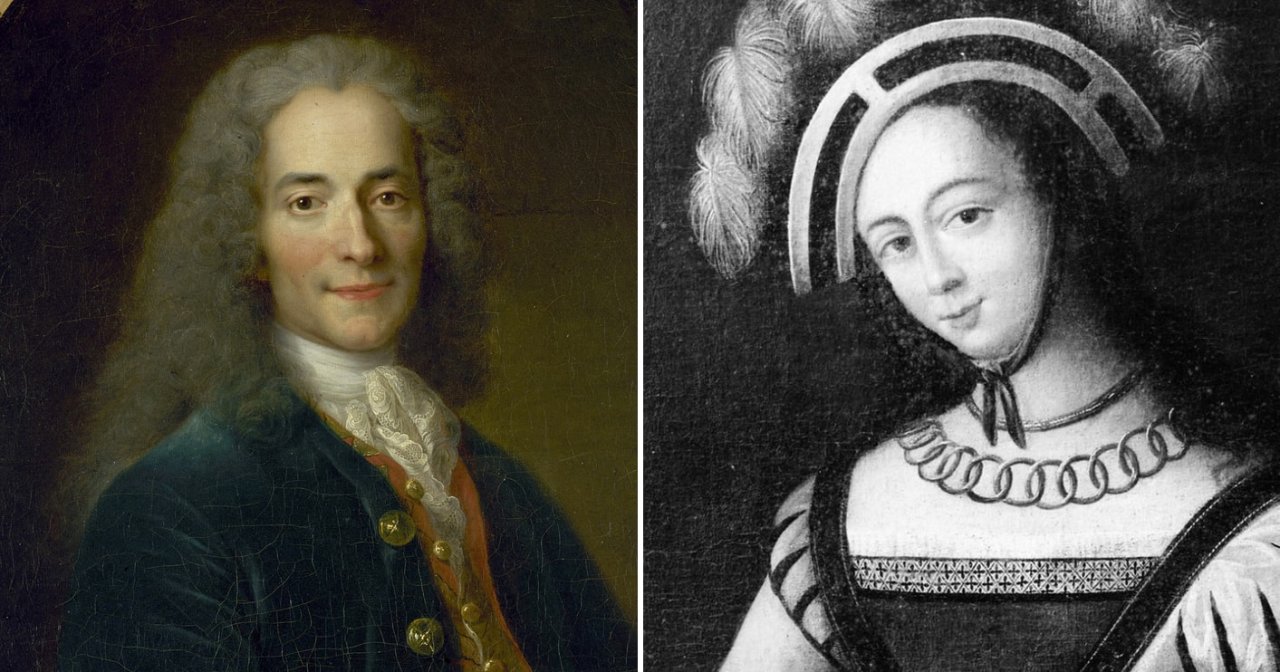
The free-speech pledge often credited to Voltaire was written 128 years after his death.
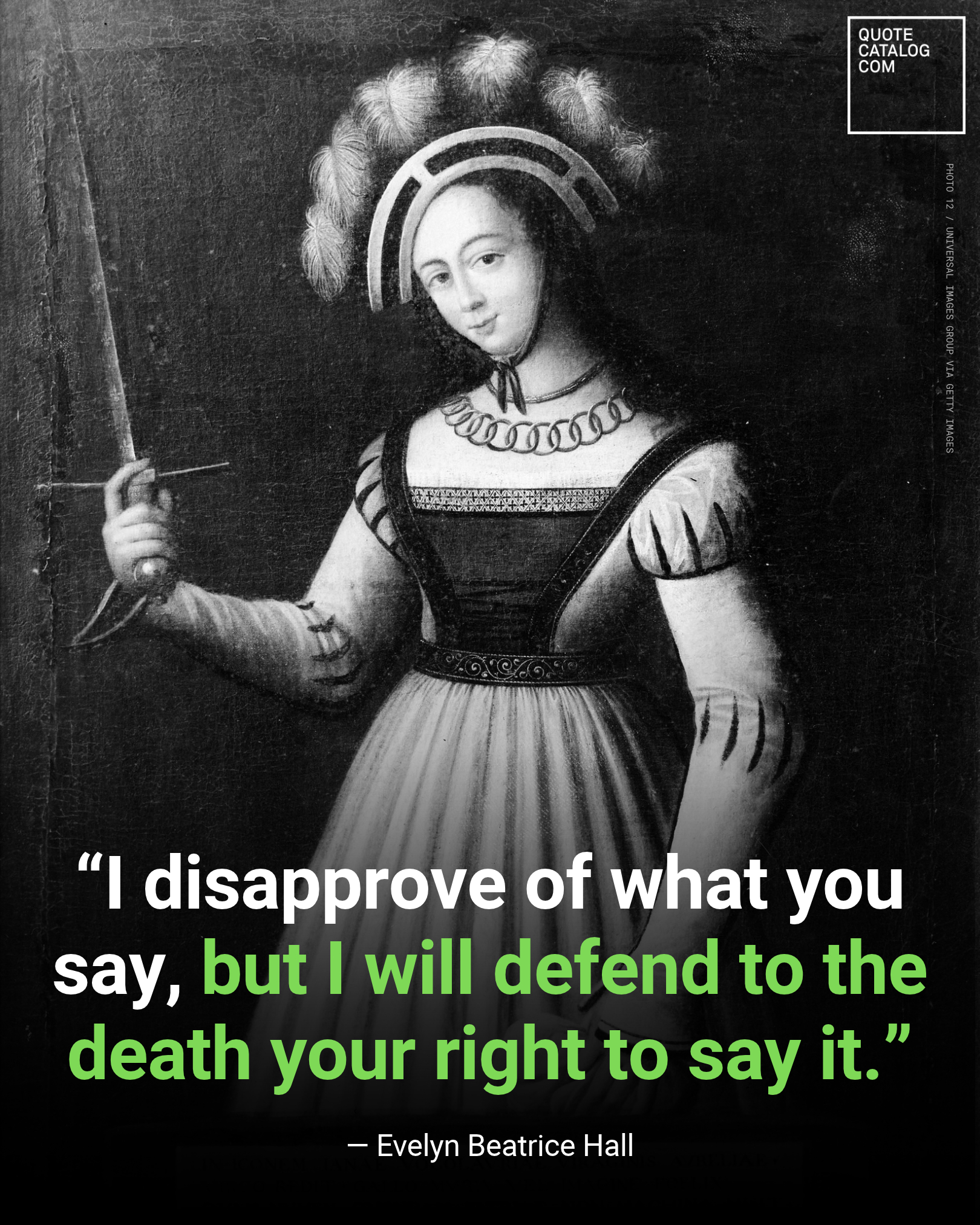
“I disapprove of what you say, but I will defend to the death your right to say it” appeared in English writer Evelyn Beatrice Hall’s 1906 book The Friends of Voltaire, published under the pen name S. G. Tallentyre.
Hall used the sentence to describe Voltaire’s response to the persecution of philosopher Claude Adrien Helvétius. His book On the Mind was burned in 1759 alongside Voltaire’s On Natural Law. Voltaire thought little of Helvétius’s book but considered its persecution unjust.
In Hall’s account, Voltaire exclaimed, “What a fuss about an omelette!” She then put the free-speech pledge in quotation marks, followed by the words “was his attitude now.” She was summarizing his position in her own words.
The sentiment reflected Voltaire’s arguments for toleration and independent thought. Hall later pointed to his Essay on Tolerance: “Think for yourselves and let others enjoy the privilege to do so too.”
By June 1934, Reader’s Digest was attributing the pledge to Voltaire in its “Quotable Quote” feature. In a letter dated May 9, 1939, Hall called the wording “my own expression” and said the quotation marks were a mistake. That letter was published in Modern Language Notes in 1943.