
The sexualized “mommy” began in the mid-90s with MILF (“Mom I’d Like to Fuck”), which first appeared on early internet message boards and exploded into mainstream culture after American Pie in 1999. For years it mostly described attractive older women from a male gaze.
“Y’ALL SEXUALIZED THE WORD MOMMY TOO MUCH”
The softer, more intimate version, simply calling a woman “mommy” in a flirty or submissive way, stayed quieter, mostly living in kink and BDSM spaces as “mommy domme” or “dommy mommy.”
That dynamic, a dominant yet nurturing figure, started leaking into meme culture in the late 2010s. By 2021 it went fully mainstream: the “Mommy? Sorry. Mommy?” TikTok sound, ASMR “mommy GF” roleplays, and the sudden obsession with tall, powerful women like Lady Dimitrescu turned “mommy” into a widely understood thirst term.
Then GymTok got involved.
In the early 2020s, “muscle mommy” emerged as the fitness world’s version of the same energy, a visibly strong, muscular woman who takes up space in the weight room. The hashtag racked up tens of millions of views.
It was about the mix of strength, confidence, and protective energy that the internet had already decided to call “mommy.” Women started reclaiming it, men and queer users started thirsting over it, and the term became one of the most recognizable labels on fitness TikTok.
From Usenet acronym to BDSM niche to viral comment section to GymTok staple, “mommy” went from a quiet kink term to one of the internet’s favorite ways to say “I’m attracted to this powerful woman.”
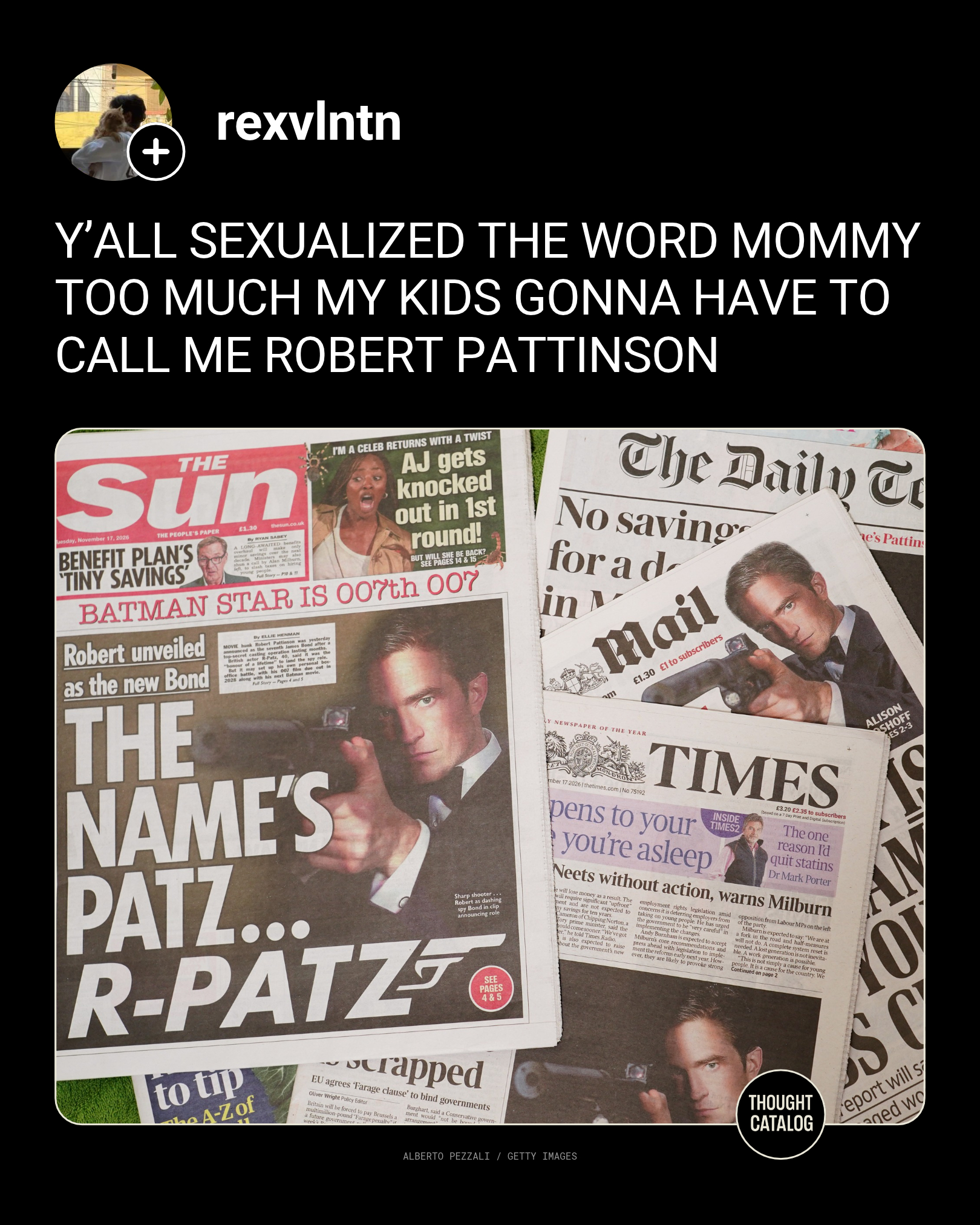
But Robert Pattinson’s own household already has a different solution. Suki Waterhouse says their daughter calls him “Daddy Batman” because he’s “dressed up like that” on FaceTime. When their daughter watches Waterhouse play guitar, she says “Mommy songs.”