
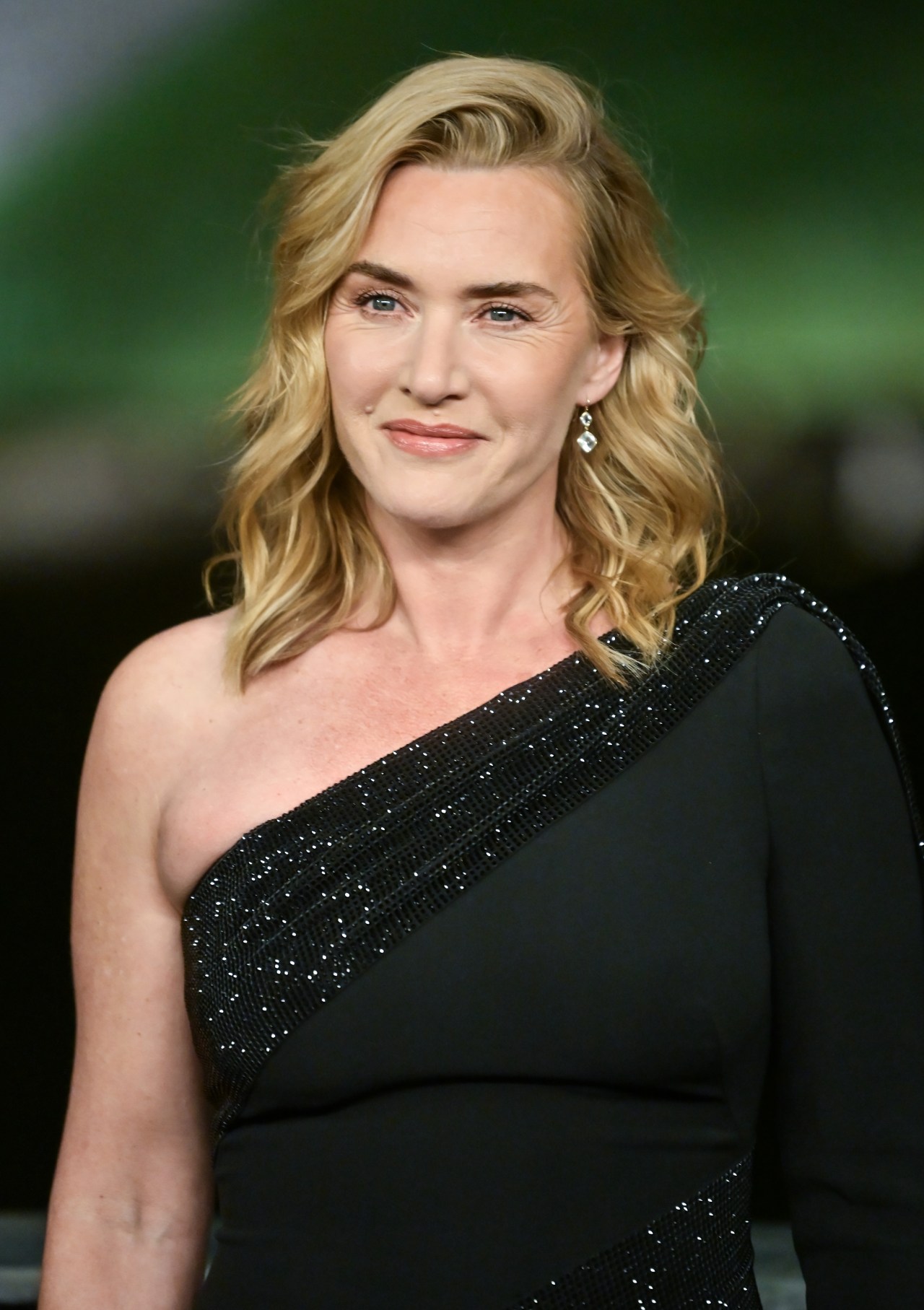
Kate Winslet turned 50 on October 5, 2025, and she’s spending the milestone making an argument about faces that still move. Talking with Fearne Cotton on the Happy Place podcast, in an episode out in December 2025, she explained why keeping her lines matters to her: “Looking like a normal person, having a face that moves, having all the wrinkles that my 50 years hopefully show, that matters a great deal because, again, I want to lead by example. I want for young women to look at my body, my face, and go ‘Oh, that’s a normal one,’ you know? There might not be that many of us being the normal ones, but it’s important and it matters.”
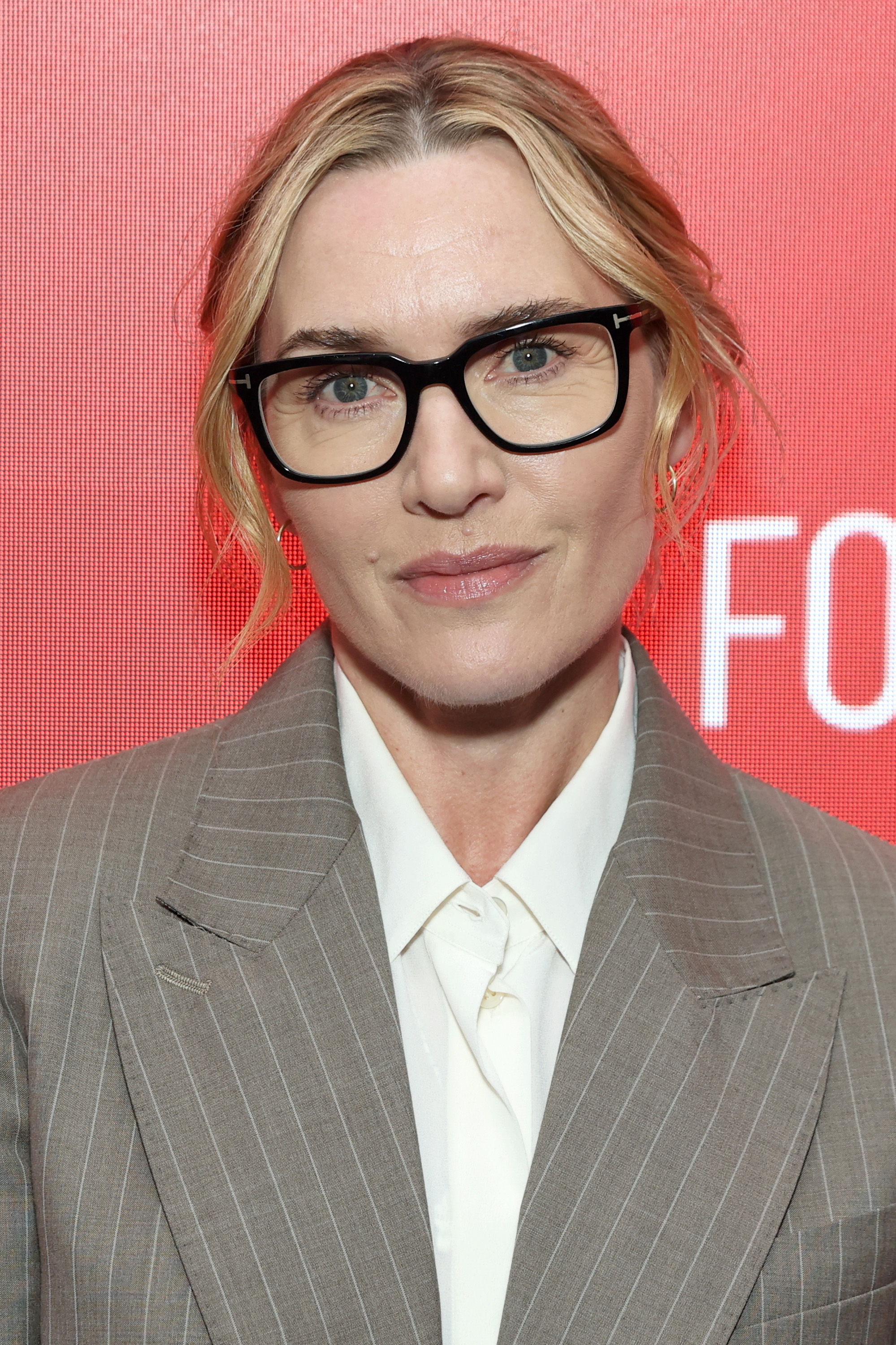
The actress, who won an Oscar for “The Reader” and became a global star at 22 with “Titanic,” says keeping her wrinkles and expression in an era of Botox, fillers, and weight-loss drugs is a deliberate choice she wants young women to see.
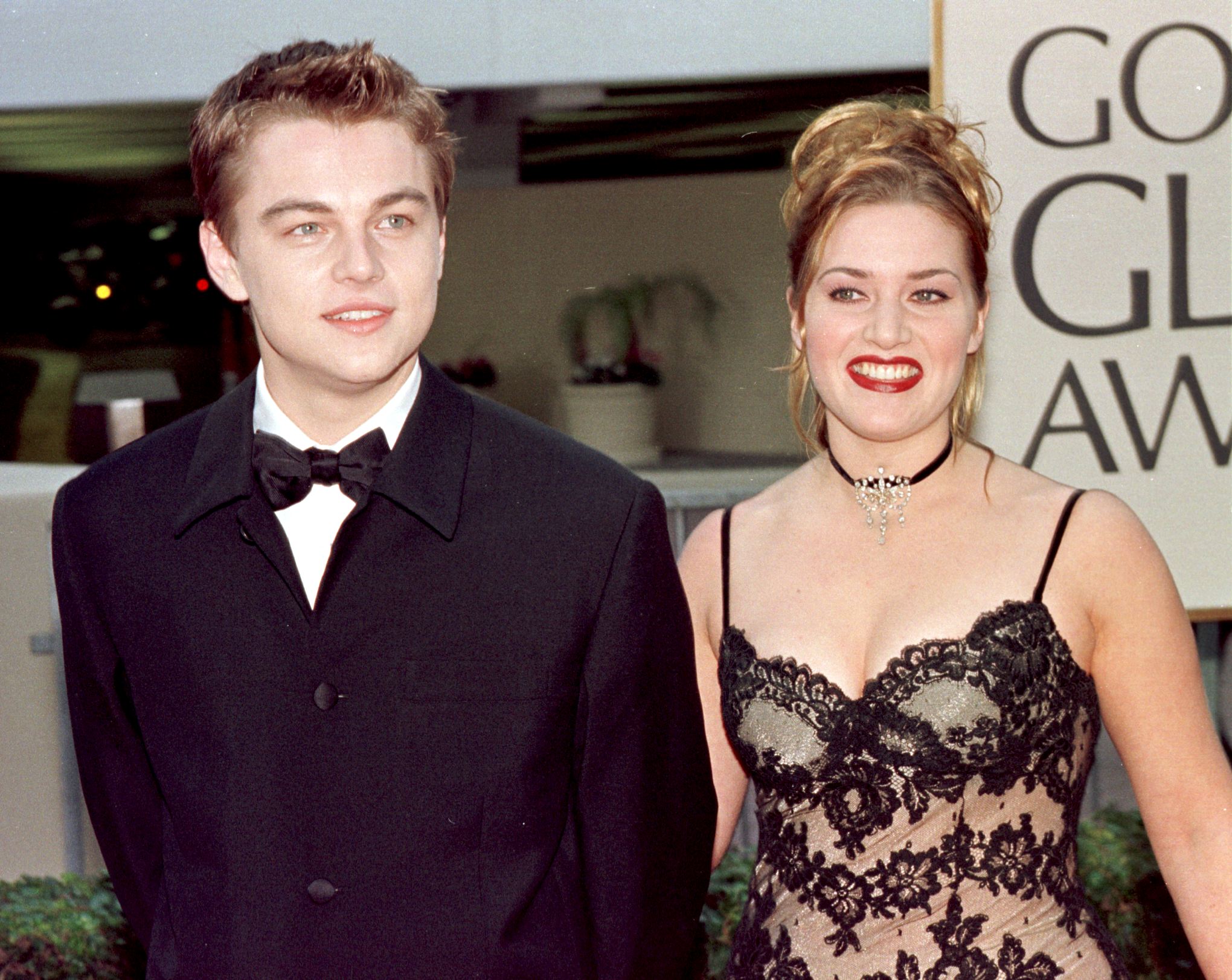
She’s been fighting this fight since 1997. During the heroin-chic years, tabloids estimated her weight and printed supposed diets, red-carpet hosts said she looked “melted and poured” into dresses, and the “too fat for the door” chatter blamed Rose’s body for Jack’s death.
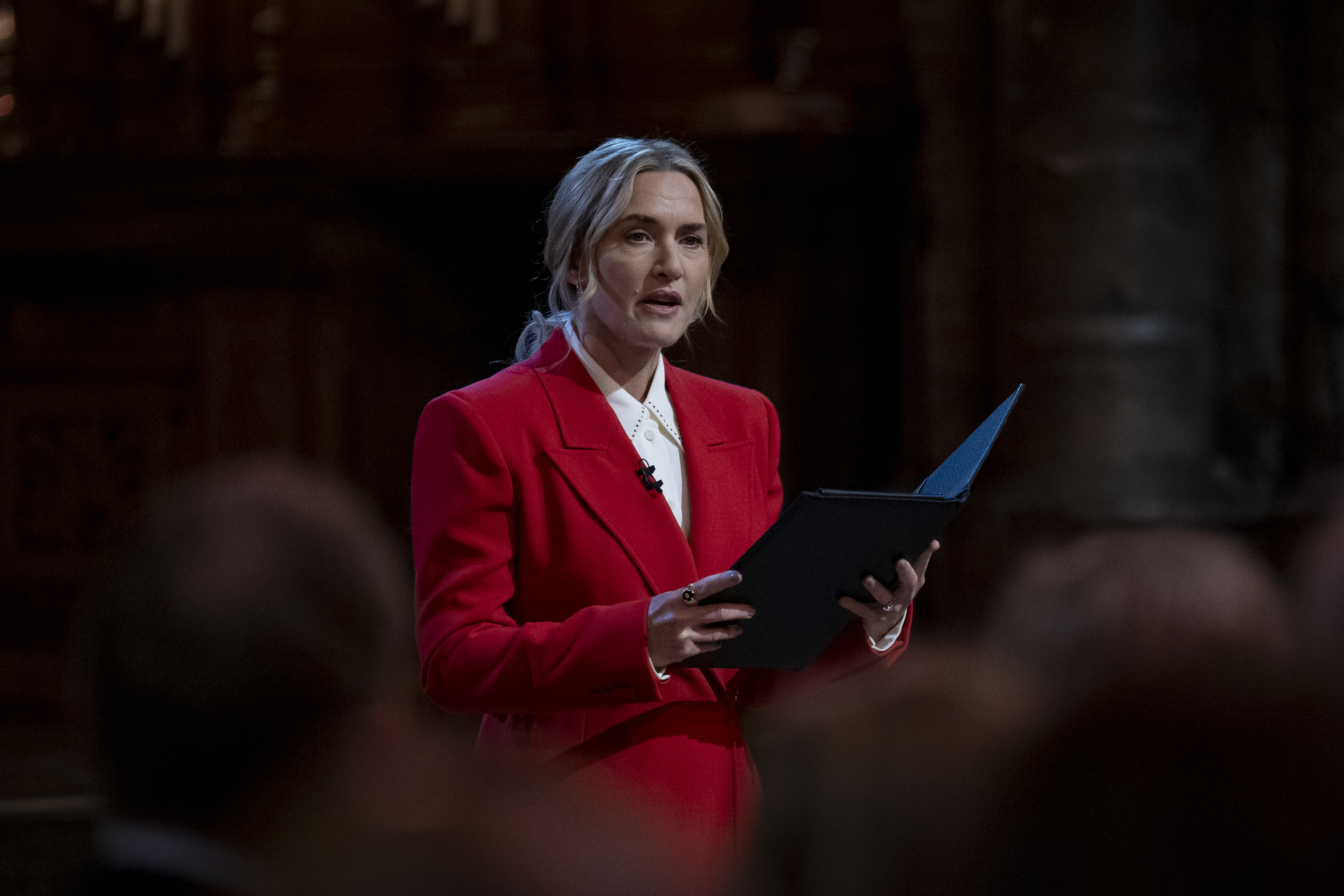
A drama teacher had told her she’d have to settle for the “fat girl parts.” Calling the period borderline abusive, Winslet has said she told at least one critic, “I hope this haunts you.”
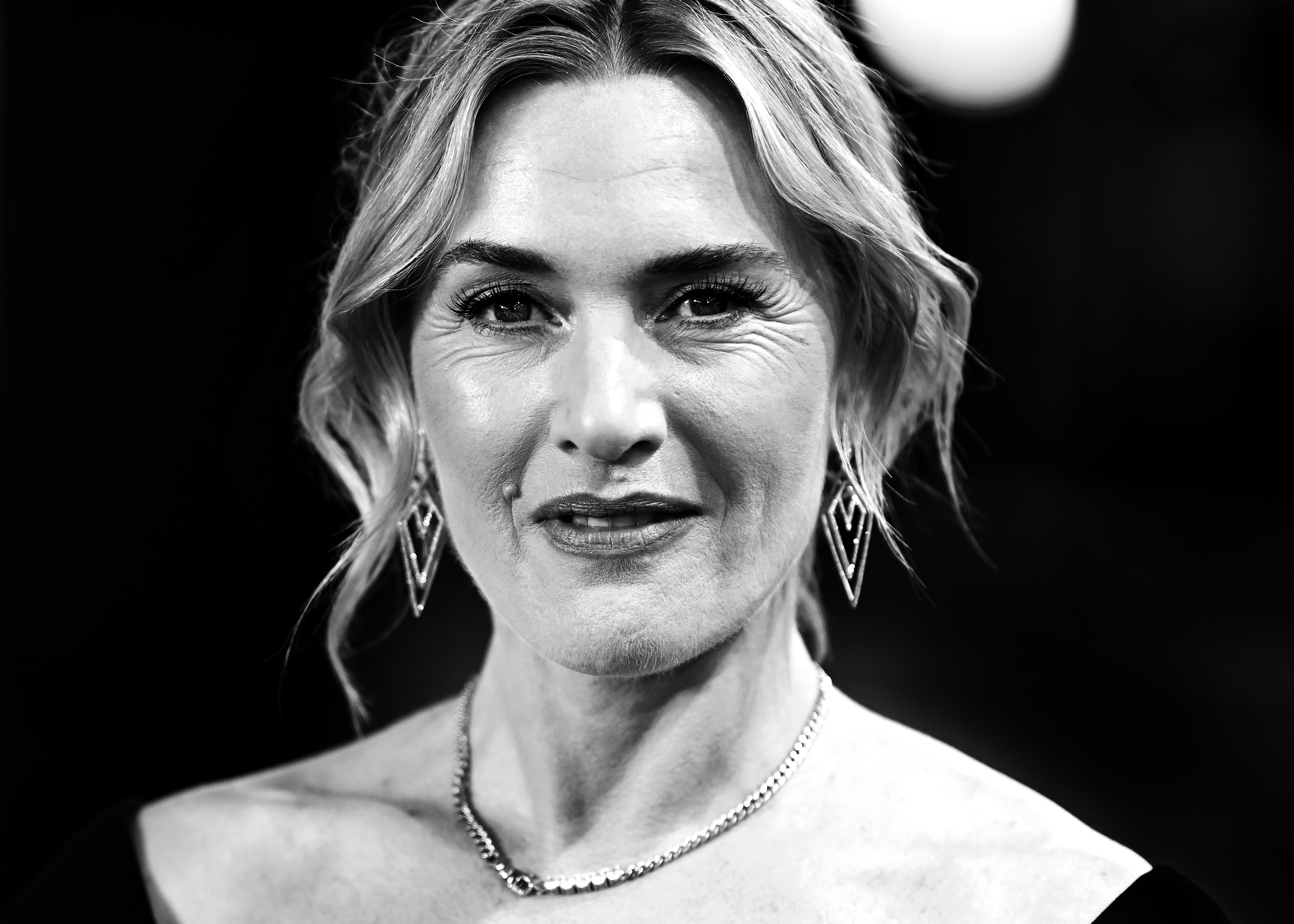
Her position hasn’t moved. She refuses to freeze her expression because she acts for a living and movement matters. She’s said women grow more beautiful with age because their faces gain “more life, more history,” and she finds the wrinkles around the eyes and on the backs of hands “incredibly beautiful.”
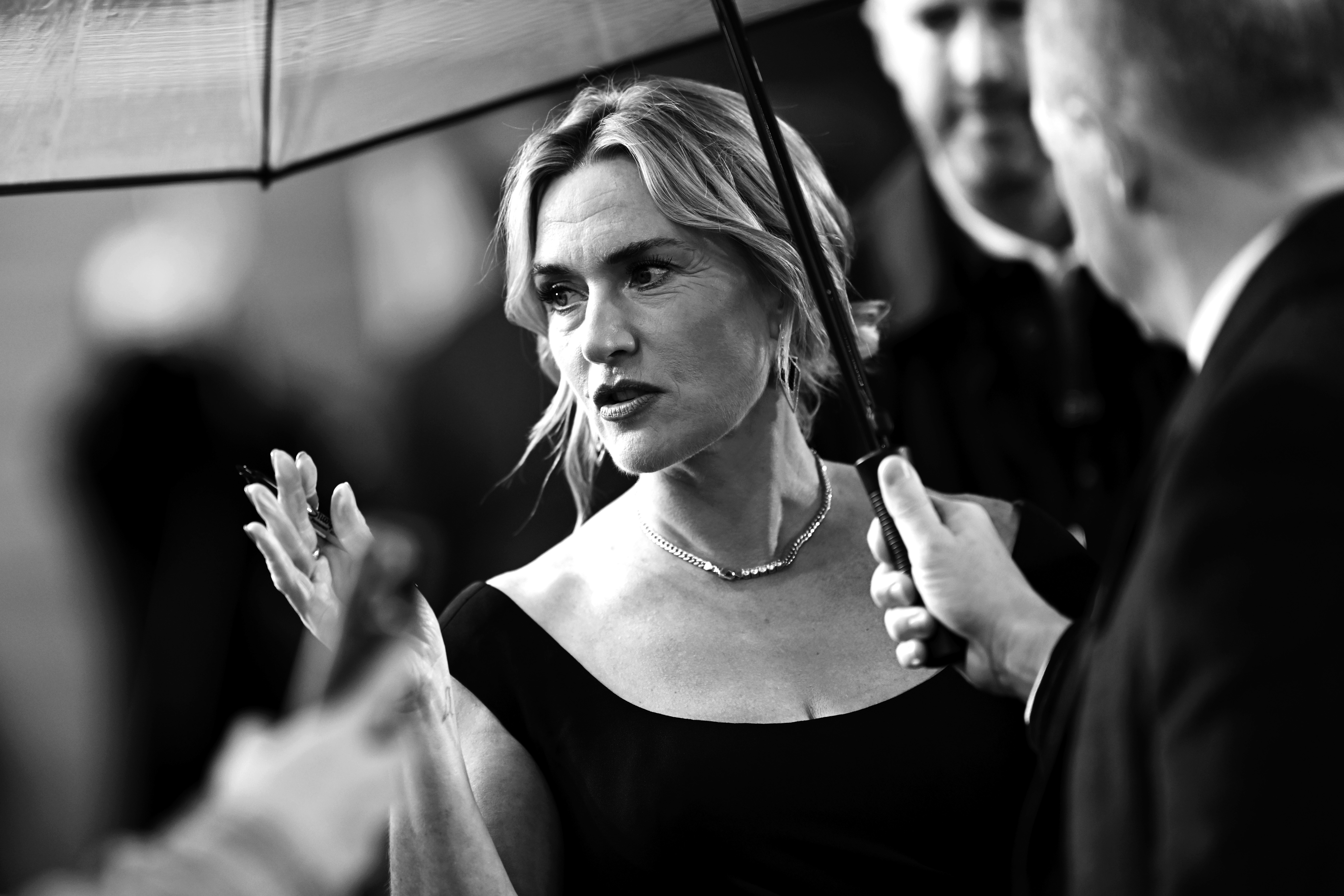
In a December 2025 Sunday Times interview she called the mix of Botox, fillers, and weight-loss drugs “terrifying,” “devastating,” and “fucking chaos,” and said people have become “obsessed with chasing an idea of perfection to get more likes on Instagram.” She showed the lines on her face to prove she “hasn’t got anything in it,” and said what upsets her is that young women “have no concept of what being beautiful actually is.”
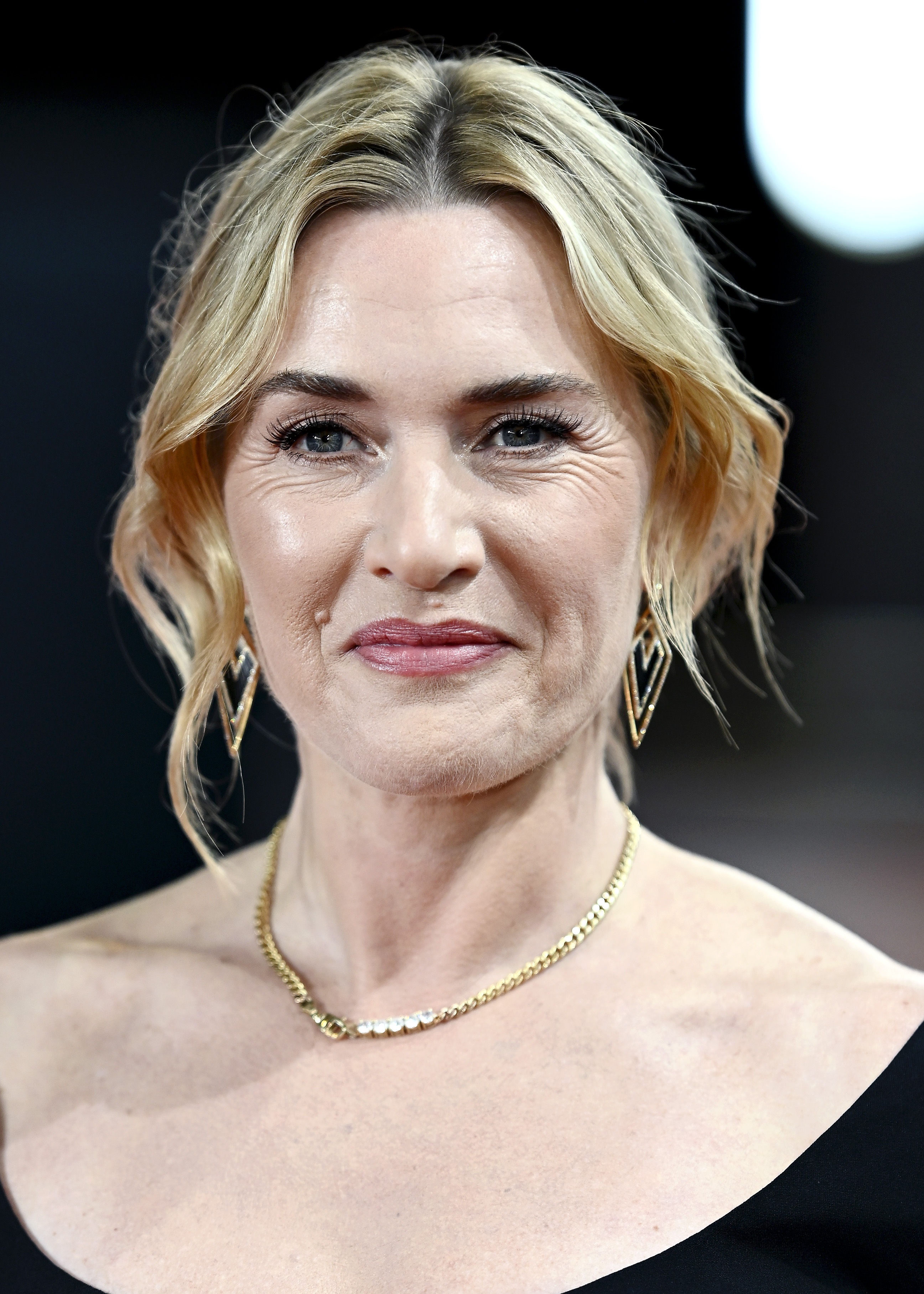
Critics note the privilege: she can afford the stance and still reads as attractive by conventional standards, and the language can sound moralizing toward women who choose procedures for themselves. Winslet draws her line at freezing expression and the health risks she ties to chasing an online ideal.
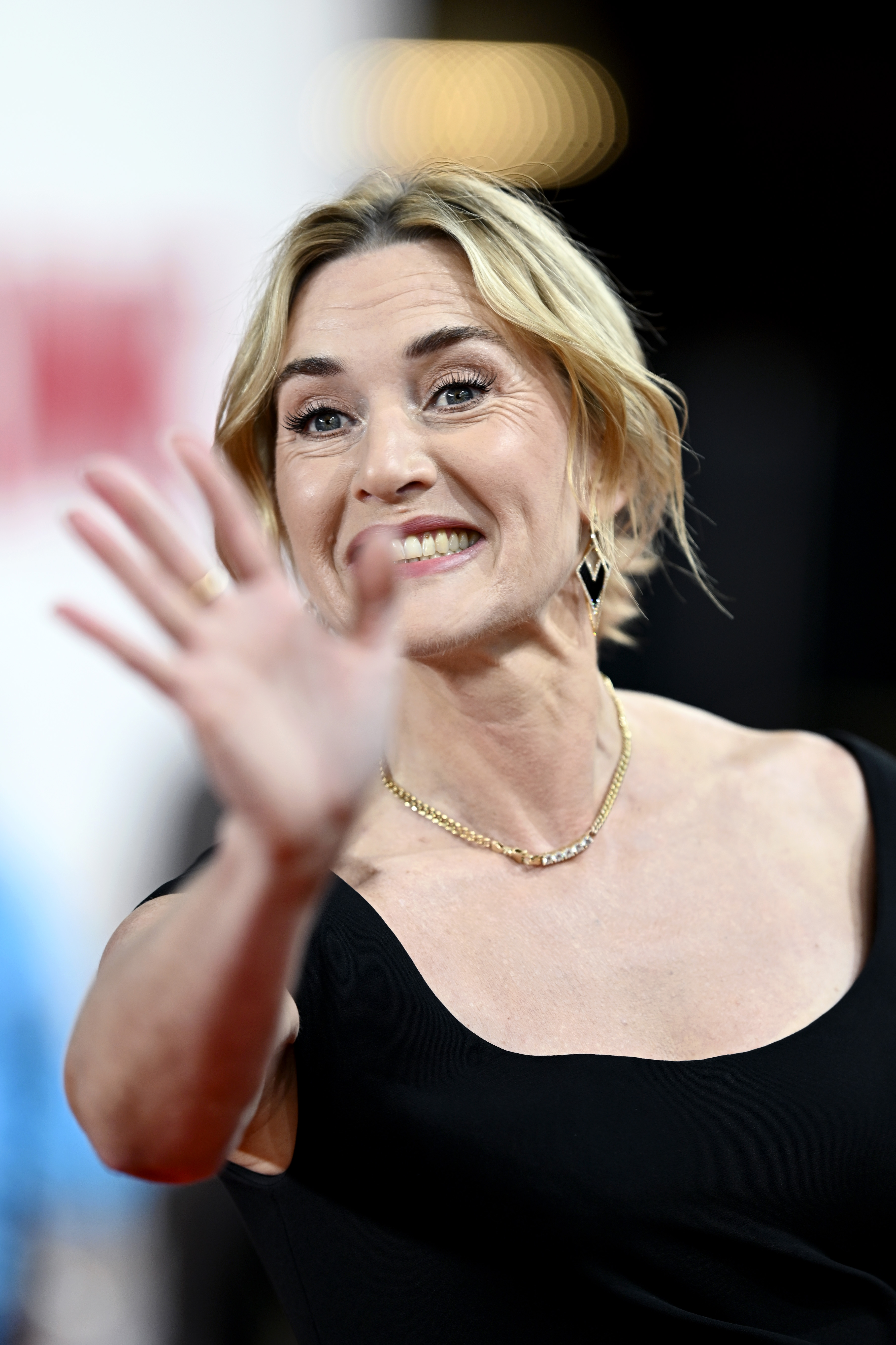
Her favorite marker of age, she says, is the one she can’t hide: “My favorite thing is when your hands get old. That’s life, in your hands.”