
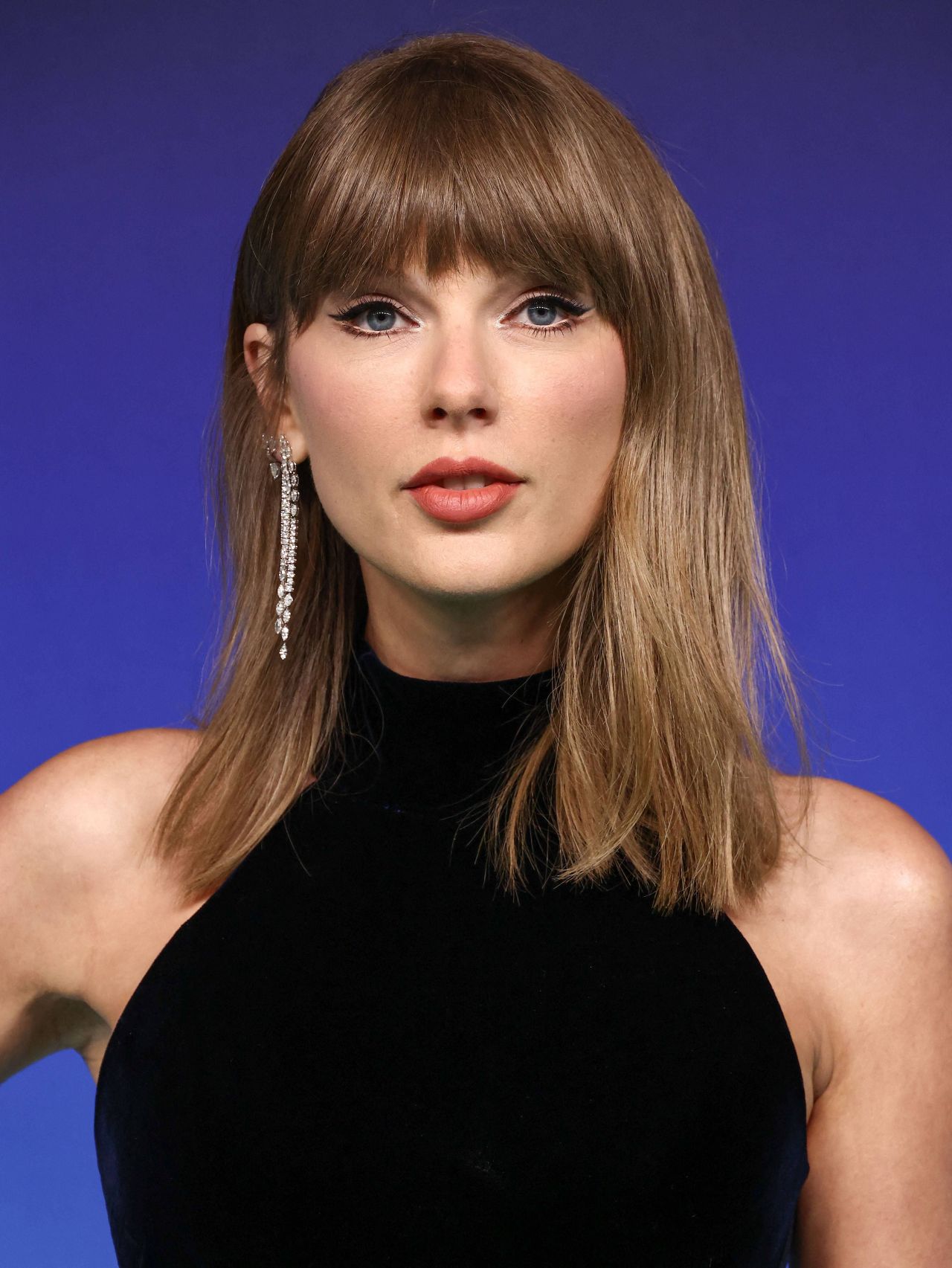
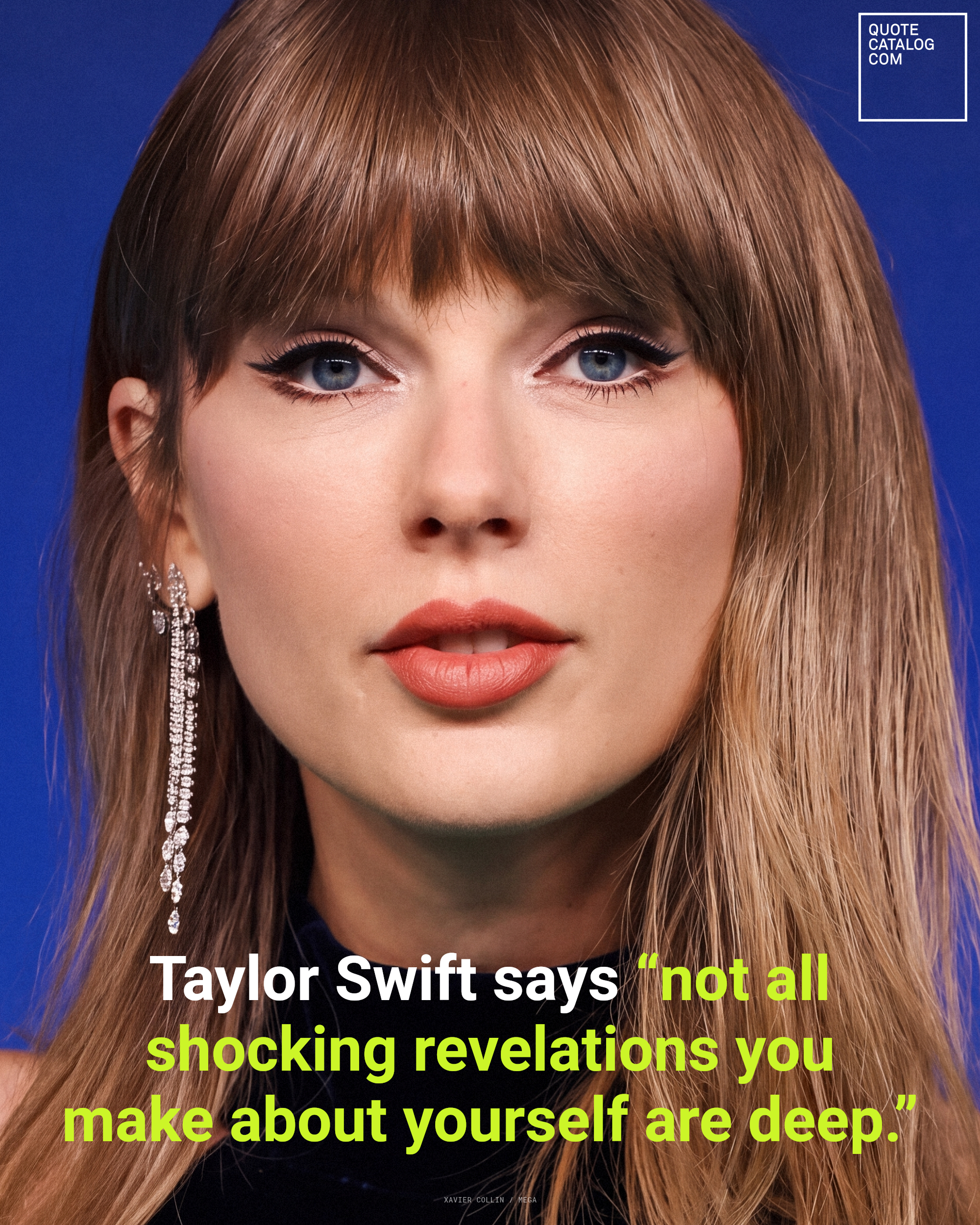
“not all shocking revelations you make about yourself are deep” — Taylor Swift
Swift was onstage at the Grammy Museum in August for a 20-year retrospective with Recording Academy CEO Harvey Mason Jr., talking craft to a room of working songwriters, when she pushed back on the idea that confession alone makes a lyric matter.
Those words drew laughter from the room. “You can’t just scream something crazy and be like, ‘I’m a confessional songwriter,’” she said, “for the same exact reason why details should not be strictly decorative.”
Elsewhere in the session, she went back to “Tim McGraw,” her 2006 debut single that she wrote at 15 with Liz Rose. One line about a boy in a Chevy truck getting stuck on backroads at night sounds, at face value, like the truck broke down a lot. “The double meaning is these are two teenagers who used to like park and kiss and tell their parents that the truck broke down,” she said.
She also argued that two very different lyrics can carry the same feeling, offering a Midas-touch image and a James Dean daydream look as two ways to say the same thing: everything you touch glows, you are the most important thing in my world.
Mason, taking in the truck reveal, answered, “Ah. So now we know!”
The point that stays is the one she started with. A line earns its place when the surprise does work, when the shock opens onto something a listener can feel, rather than sitting there for its own sake. That is why the lesson reads less like a confession and more like a method, and why songwriters in that room took notes.