
Rider Strong wanted to leave Boy Meets World, but he misread his contract and thought he had to return for season 7.
Strong says he walked into a meeting about the show’s final season wanting out, unaware he already had the option. He thought his contract committed him to season 7. When creator Michael Jacobs began trying to persuade him to stay, Strong assumed they were discussing season 8.
Strong, who played Shawn Hunter, recounts the misunderstanding in Book Meets World: The Definitive Inside Story of the Hit Sitcom Boy Meets World. Released November 10, the book was written with castmates Will Friedle and Danielle Fishel and builds on their Pod Meets World podcast.
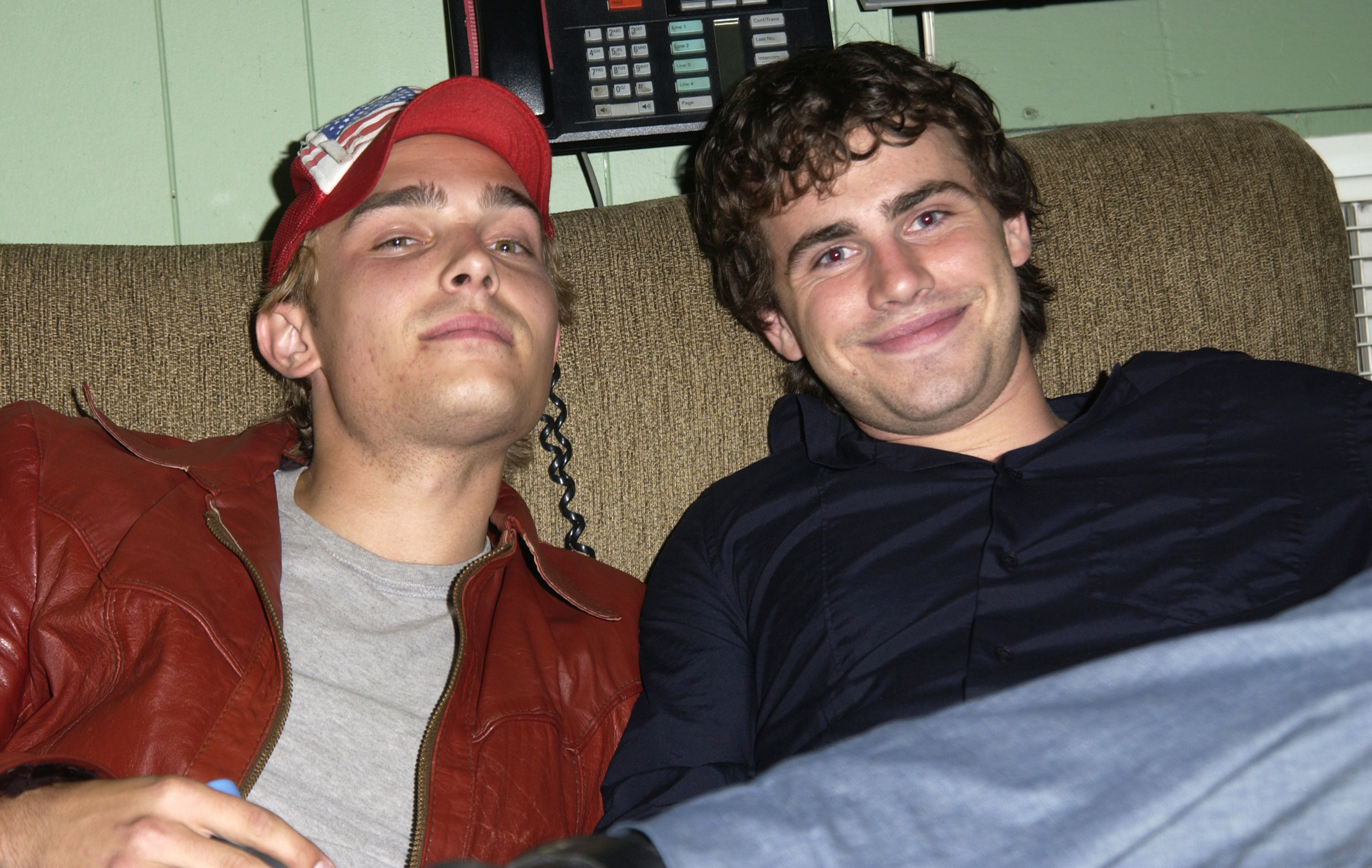
The contract discussions took place in 1999. Strong was ready to move on: “I was already in college, and I didn’t want to do the show anymore.” Jacobs wanted Shawn back and urged Strong to put college off for another year.
“I stopped him, and I said, ‘You realize, they’re talking about adding an eighth season.’ He was like, ‘No, we’re not. We’re talking about adding a seventh,’” Strong recalled.
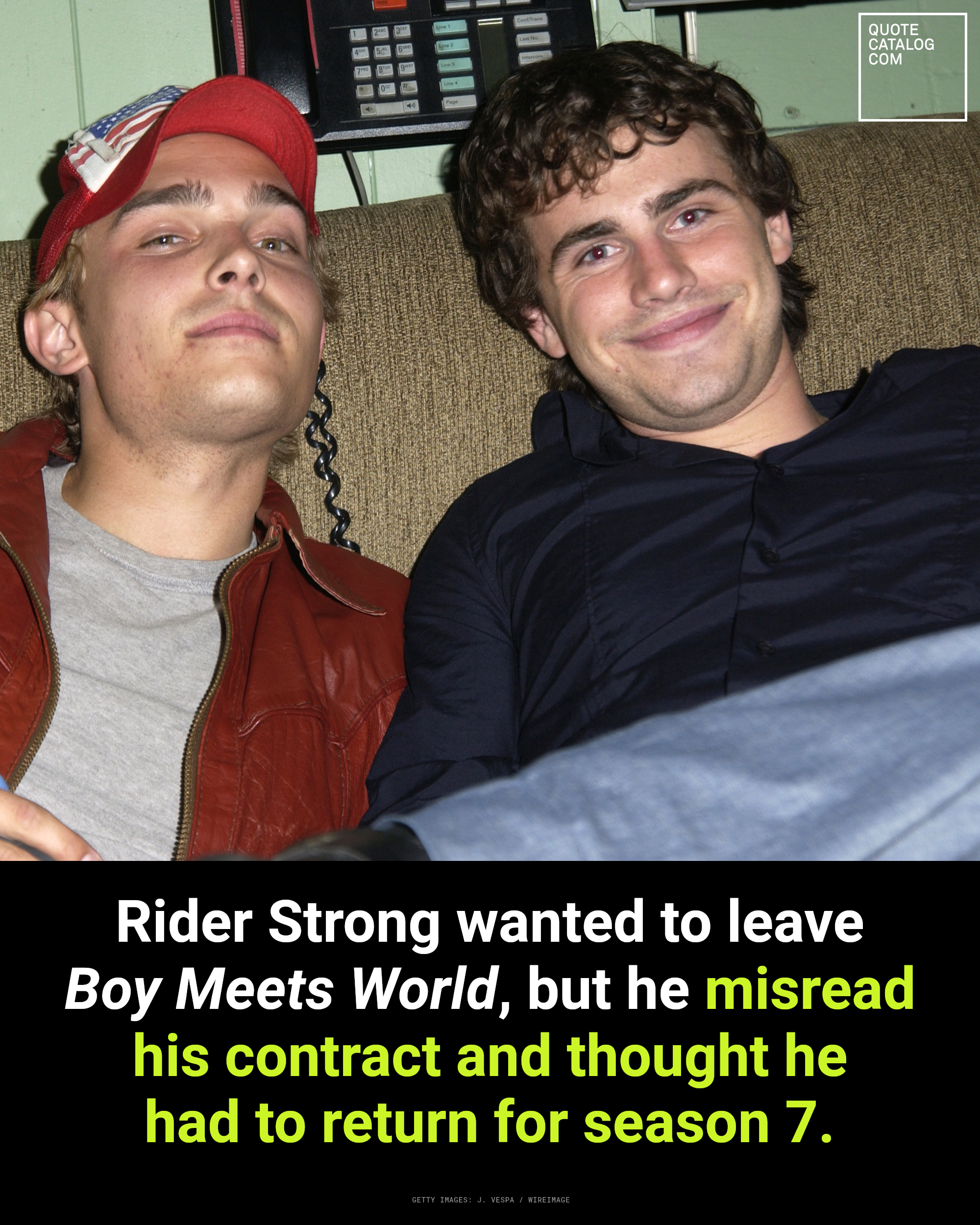
That’s when Strong realized he’d misunderstood his commitment. He says he likely would’ve left before season 7 if he’d understood his options sooner. Instead, he left the meeting confused and ultimately returned for the final season.
Strong says talking and bargaining as a group probably would’ve kept the cast’s deals from diverging so much. He and Friedle, who earned far less than some castmates, later negotiated as a pair so they’d be paid the same amount. Fishel got help from Ben Savage during season 3 negotiations, when her contract guaranteed her just 13 of 23 episodes; his intervention helped double her rate.
Their season 7 pay still varied widely. Fishel’s raise brought her to about $30,000 per episode, below her male castmates, while Savage, who’d been accepted to Stanford, used that acceptance to push for more. His raise brought his pay close to or level with William Daniels’, whose rate was close to 6 figures per episode.
For Strong, the pay disparity fed a question about who was looking out for him during his own contract talks. He noted that his manager and agent were paid only when he worked, and regretted attending the meeting with Jacobs alone.
“I thought, why is nobody looking out for me and just saying, ‘Rider, if you don’t want to do this, you don’t have to?’ There was no sense of that,” he wrote.
“I had my own relationship with my manager, my own relationship with my agent, which is why I walked into a meeting with Michael by myself and got completely screwed.”