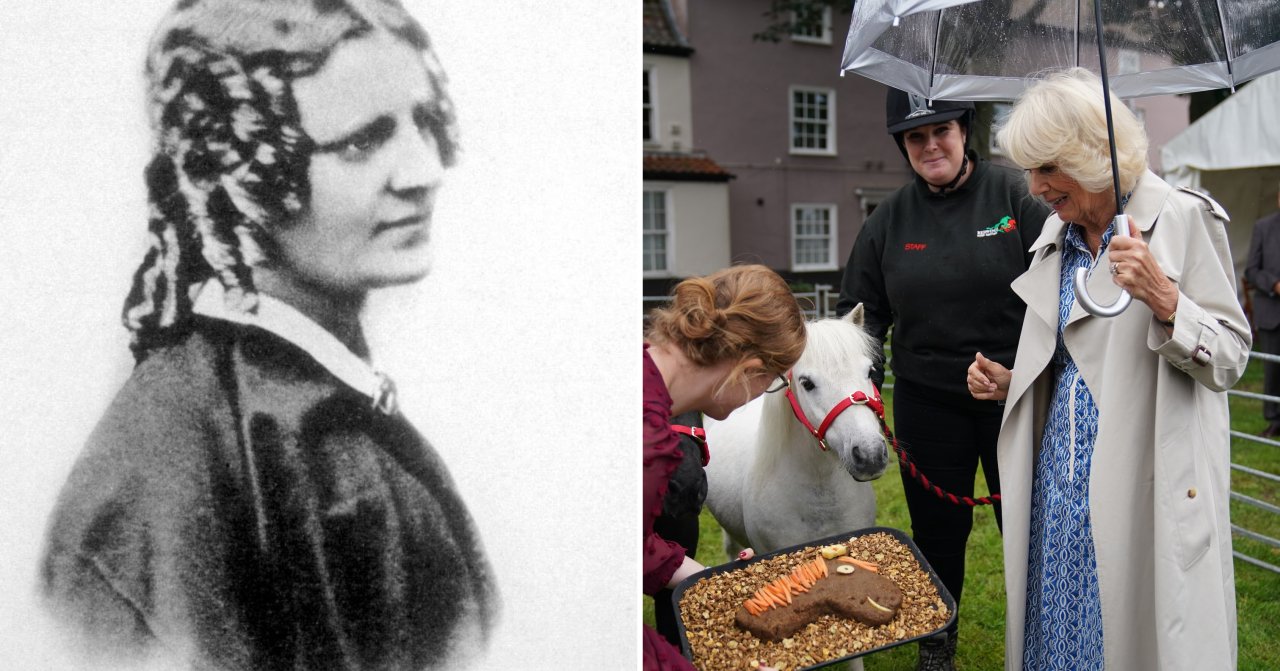
Anna Sewell wrote Black Beauty from a sofa at Old Catton, near Norwich, where illness largely confined her to bed in her 50s. The book appeared for Christmas 1877, and she died the following April, aged 58.
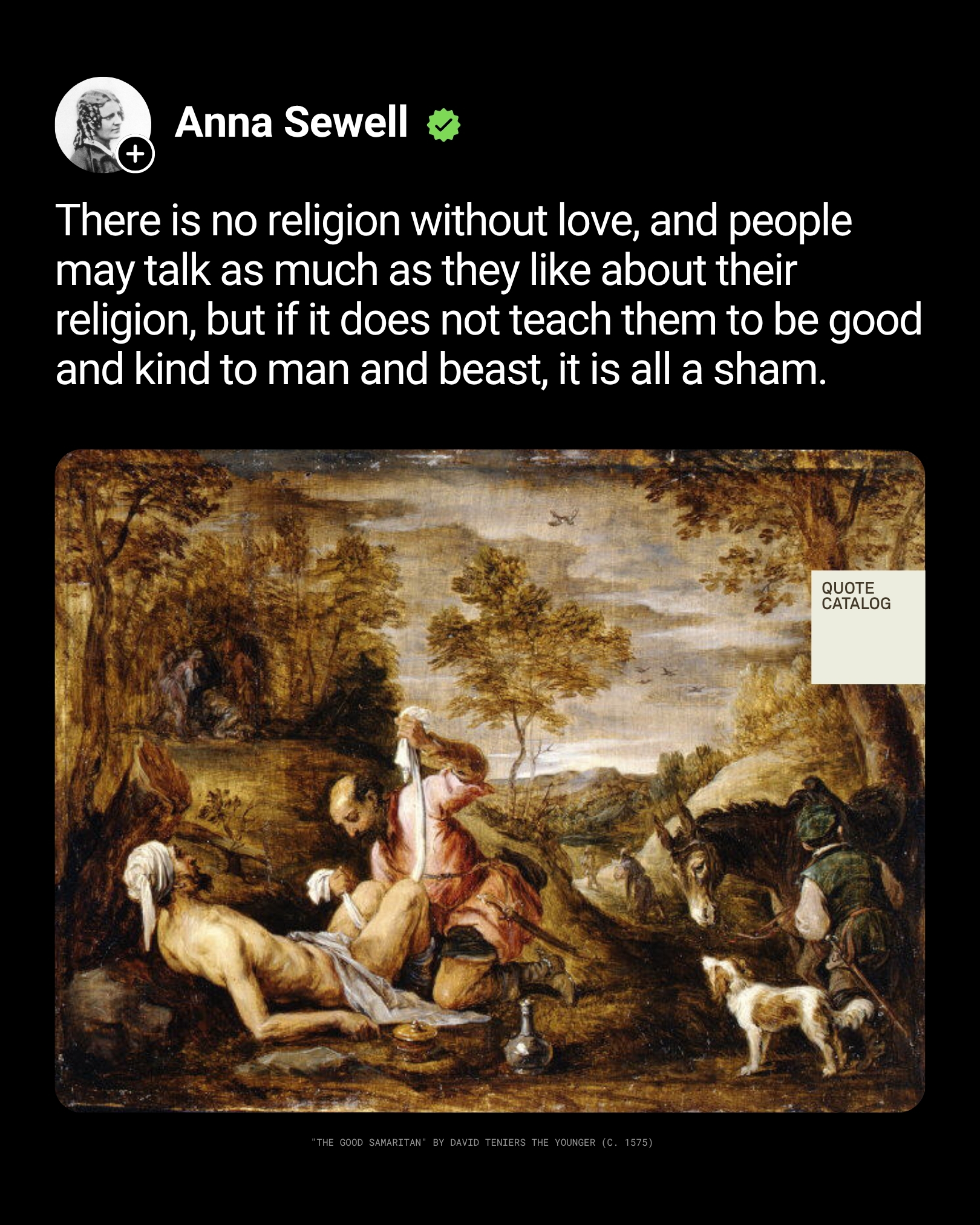
She wrote it from 1871 to 1877, sometimes dictating to her mother, Mary.
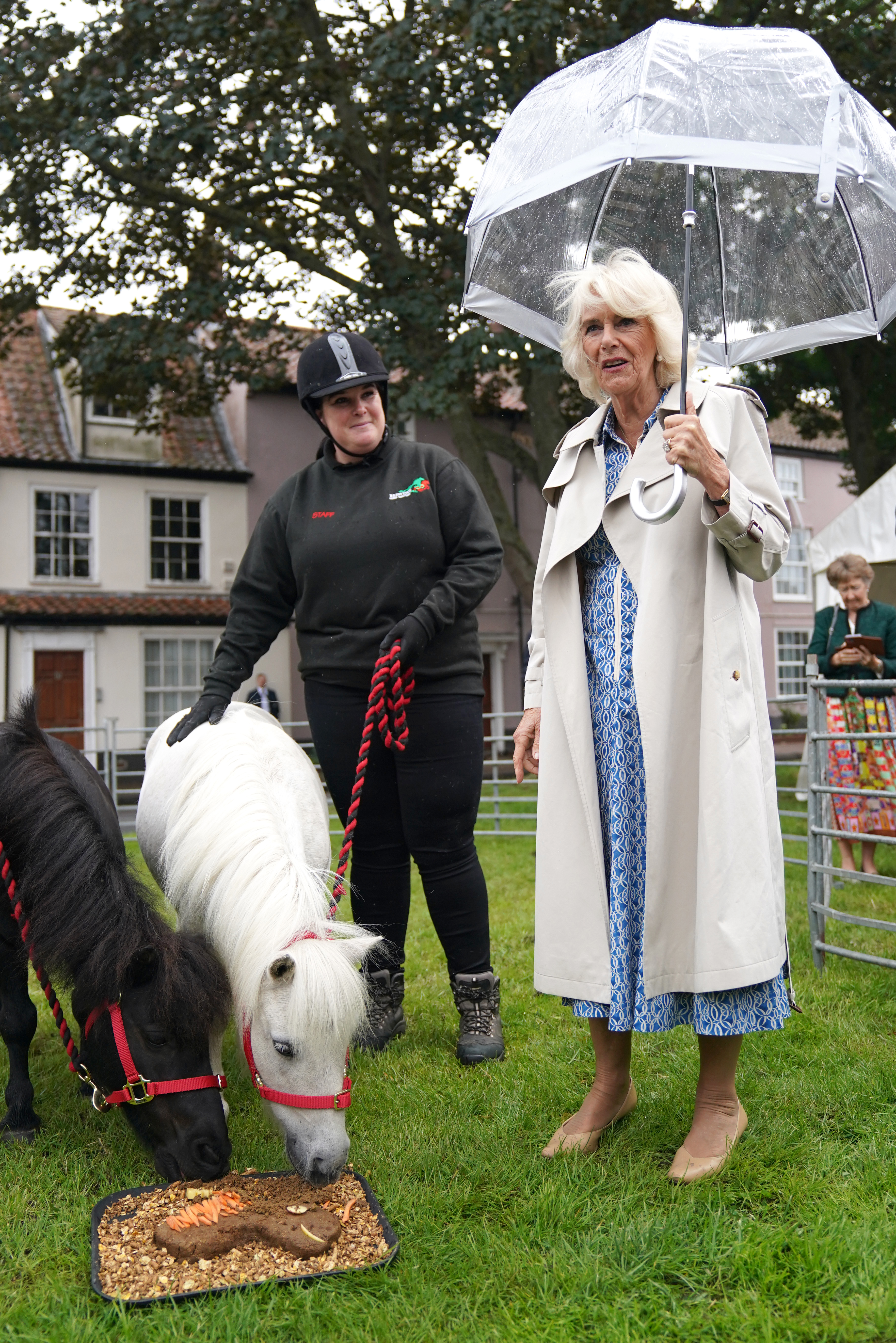
A boy’s cruelty to a pony prompts a conversation about faith in the 1877 novel. John, a groom, answers James after James recalls a schoolmaster’s lesson about kindness.
In chapter XIII, “The Devil’s Trade Mark,” John says: “there is no religion without love, and people may talk as much as they like about their religion, but if it does not teach them to be good and kind to man and beast, it is all a sham, all a sham, James, and it won’t stand when things come to be turned inside out and put down for what they are.”
Born to Quaker parents in 1820, Sewell grew up with a mother, Mary, who wrote against animal cruelty. At 14, an ankle injury left her with lasting difficulty walking. Horses became part of her daily life.
In Boston in 1890, humane educator George T. Angell called it “The ‘Uncle Tom’s Cabin’ of the Horse” and hoped to distribute a million copies.