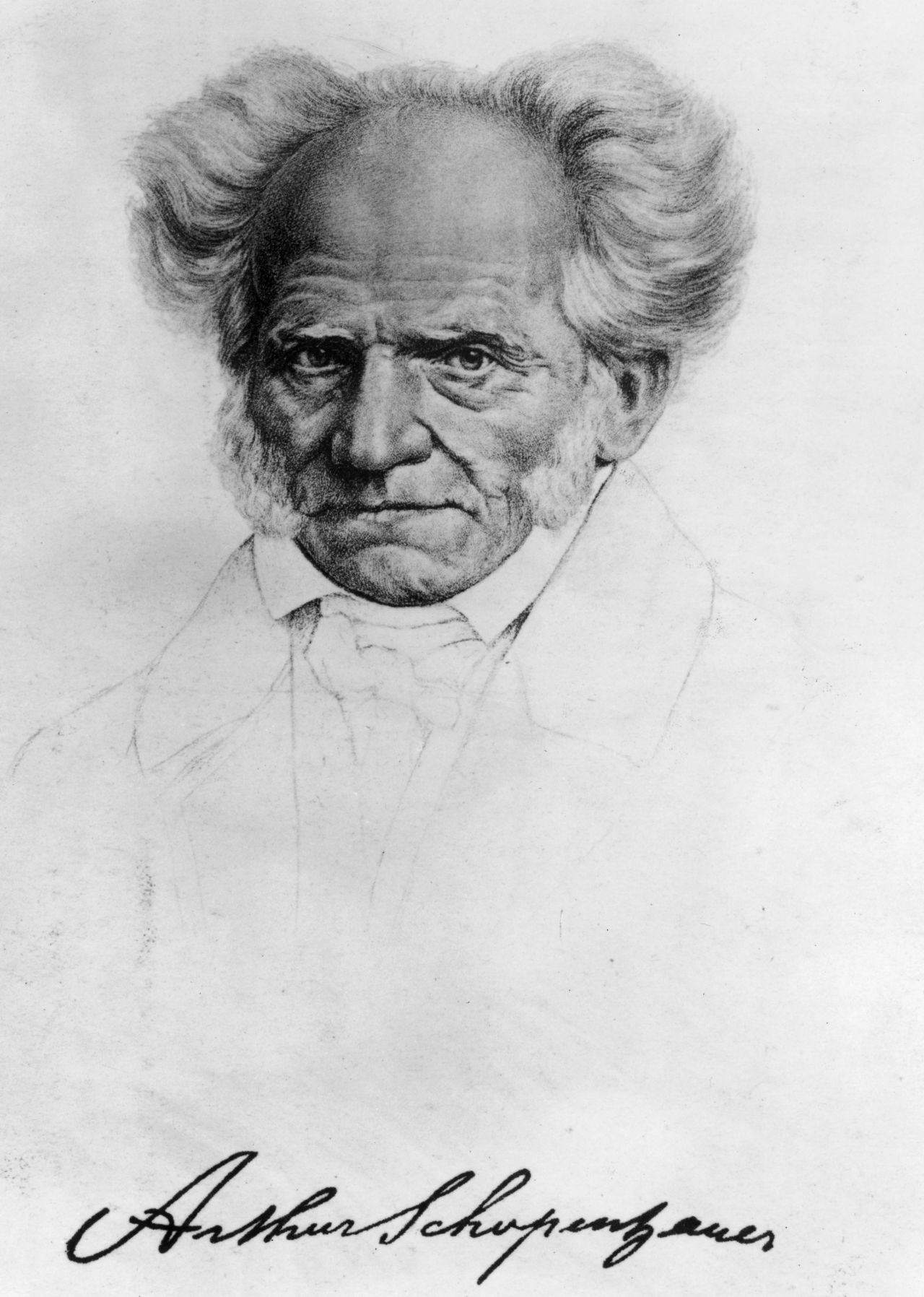
“I am not surprised that some people are bored when they find themselves alone; for they cannot laugh if they are quite by themselves.” — Arthur Schopenhauer
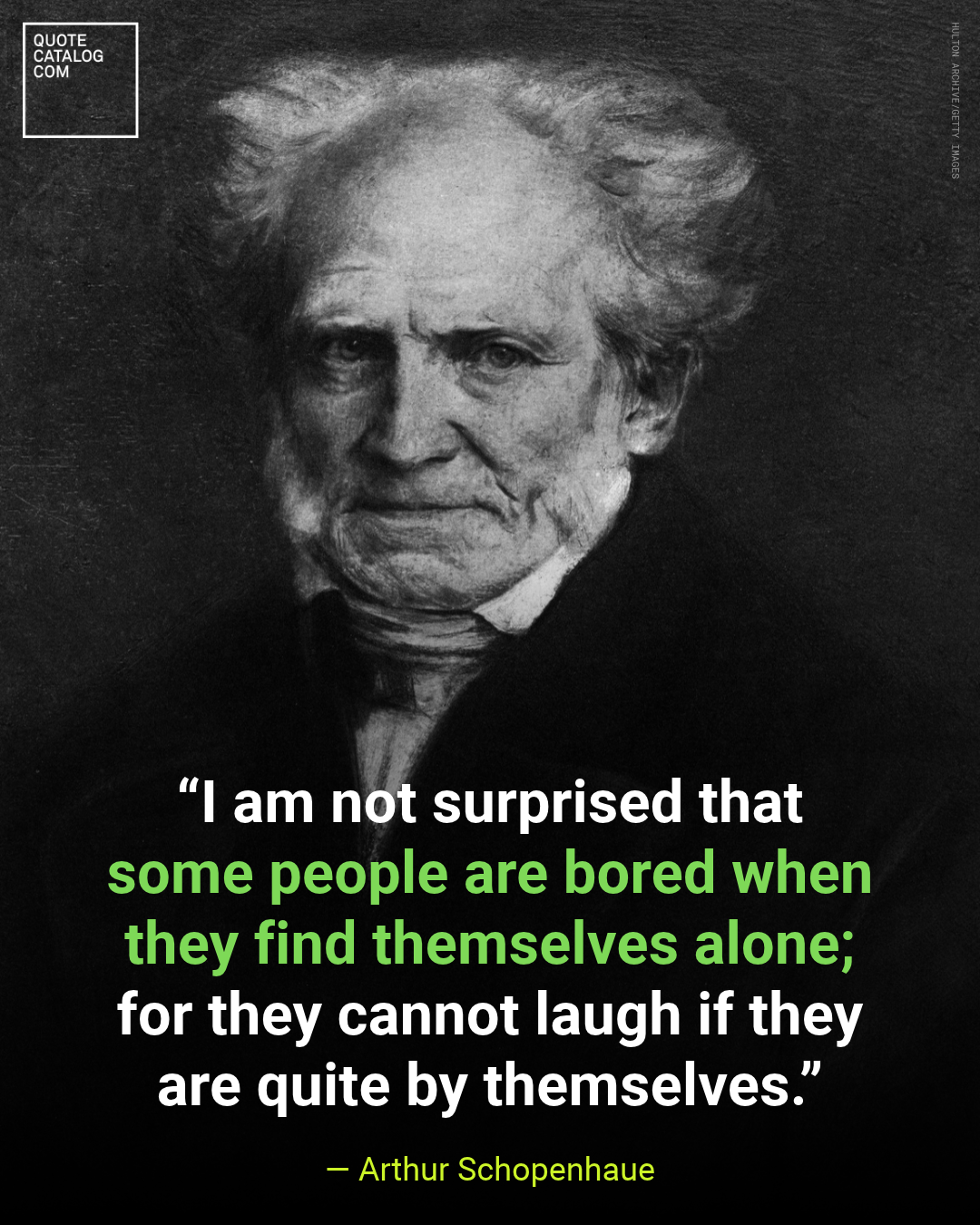
The German philosopher wrote those words in Parerga und Paralipomena, his 1851 collection, and he was blunt about the people he described: he thought they lacked imagination.
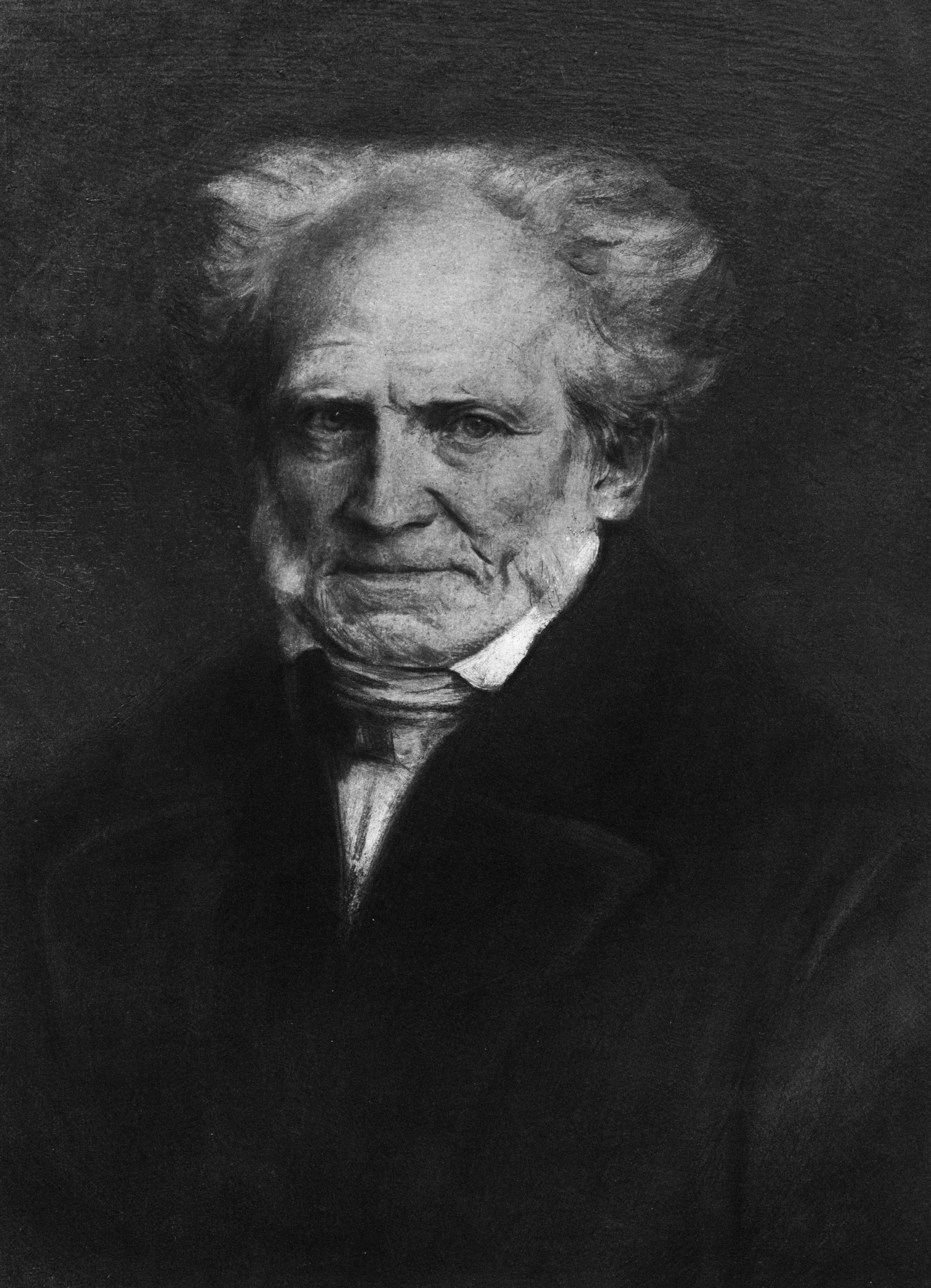
The line sits inside a longer passage. “The very idea of it seems folly to them,” he added. He asked whether laughter served only as a signal to other people, then put the difficulty of laughing alone down to “want of imagination, dullness of mind generally.”
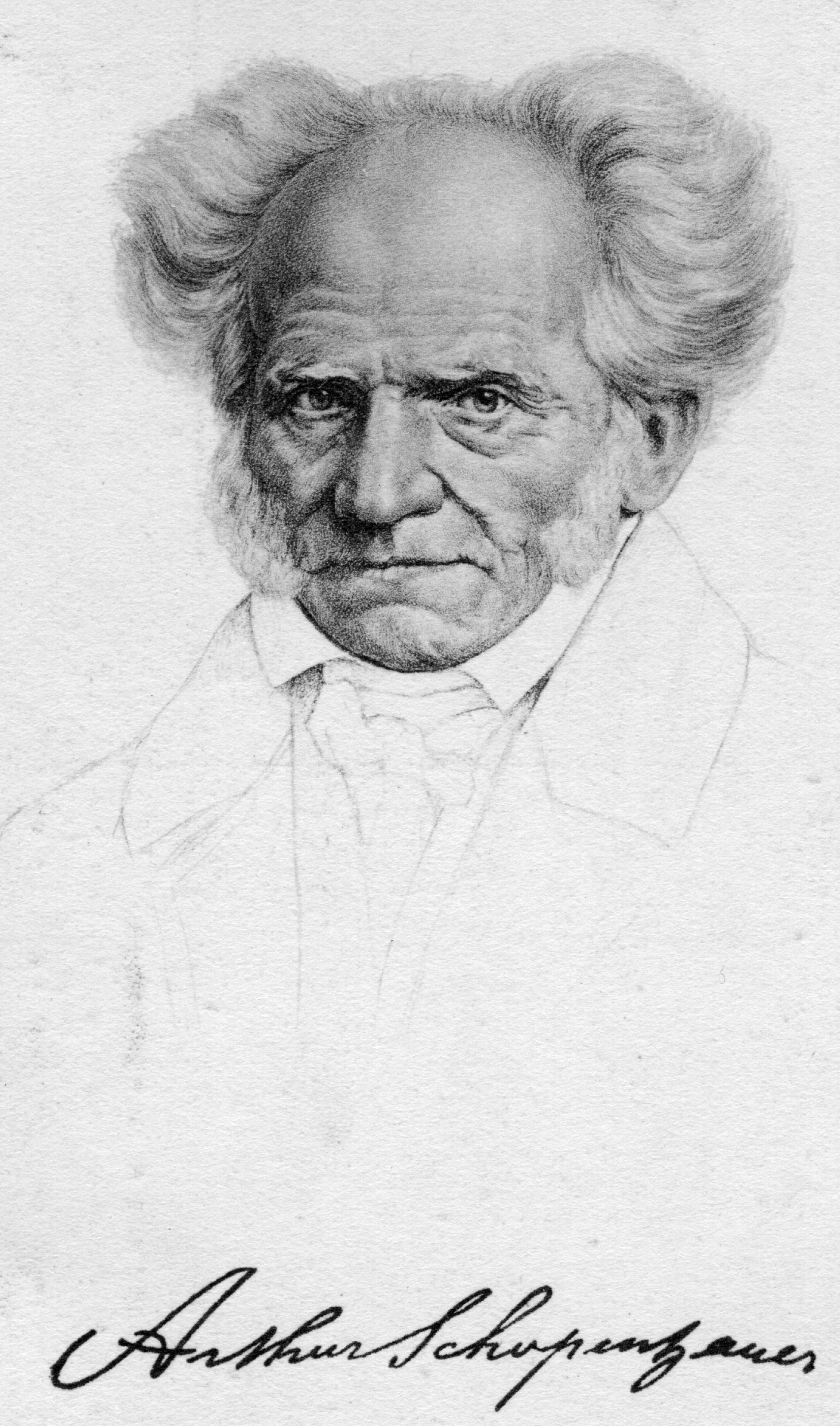
He made the point with an old anecdote about Myson, a man remembered for how little he cared for other people’s company. In Lives of the Eminent Philosophers, Diogenes Laertius records that someone found Myson laughing by himself in a secluded place and asked why he was laughing when nobody was near. Myson replied, “That is just the reason.”
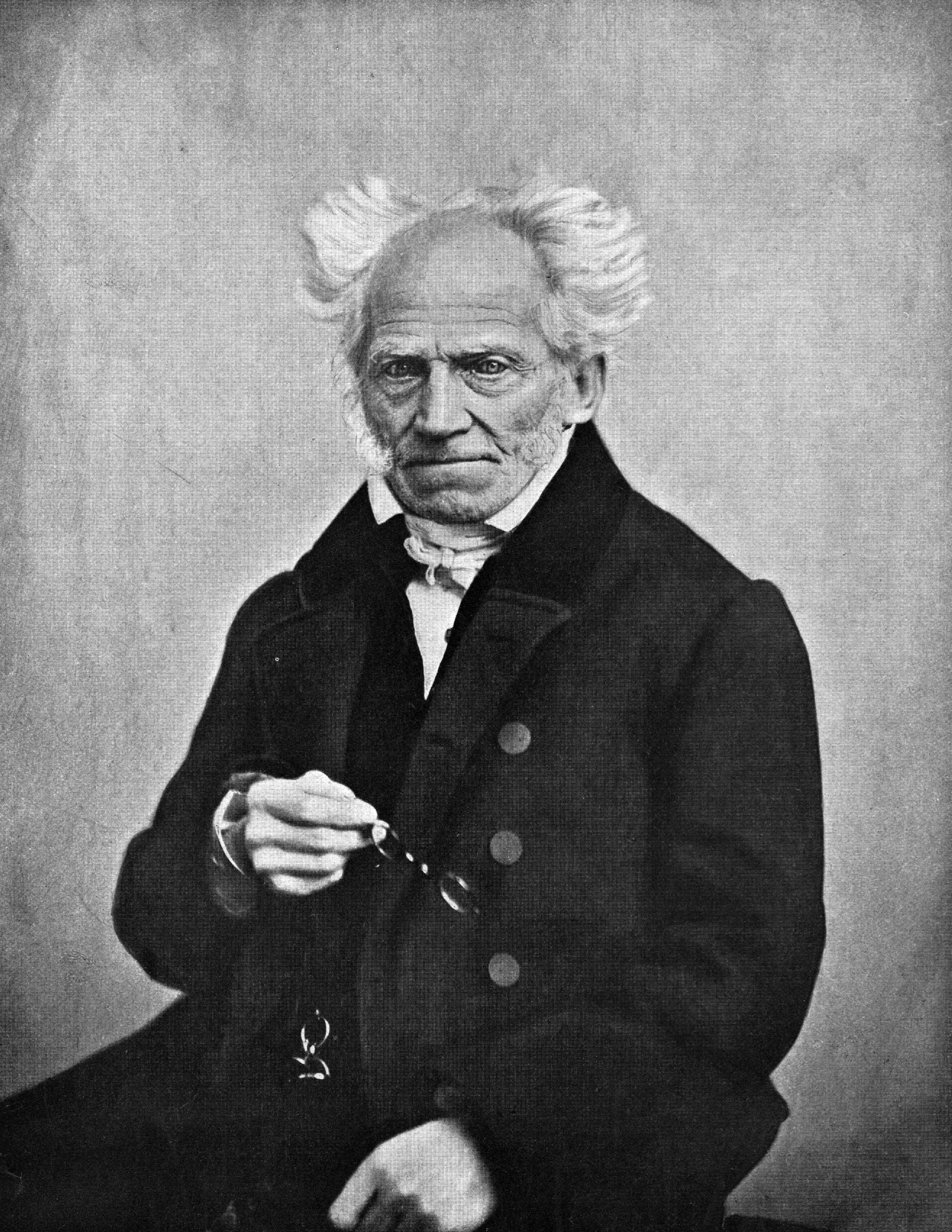
The passage lives in volume 2 of the collection, under “Psychological Remarks.” Thomas Bailey Saunders later translated it under the heading “Further Psychological Observations” in Studies in Pessimism, first published in 1890.
That is why the line has outlasted its century. Schopenhauer turned a small observation about who can laugh alone into a test of the inner life, and his verdict on the ones who fail it is unflinching. For him, solitude was not the problem. The emptiness some people brought to it was.
A more dramatic line circulates under his name, “A man who laughs alone is either a madman or a god,” but it has no verified attribution and no printed source has been found for it. The documented argument is the quieter one, and it is the one he actually wrote.