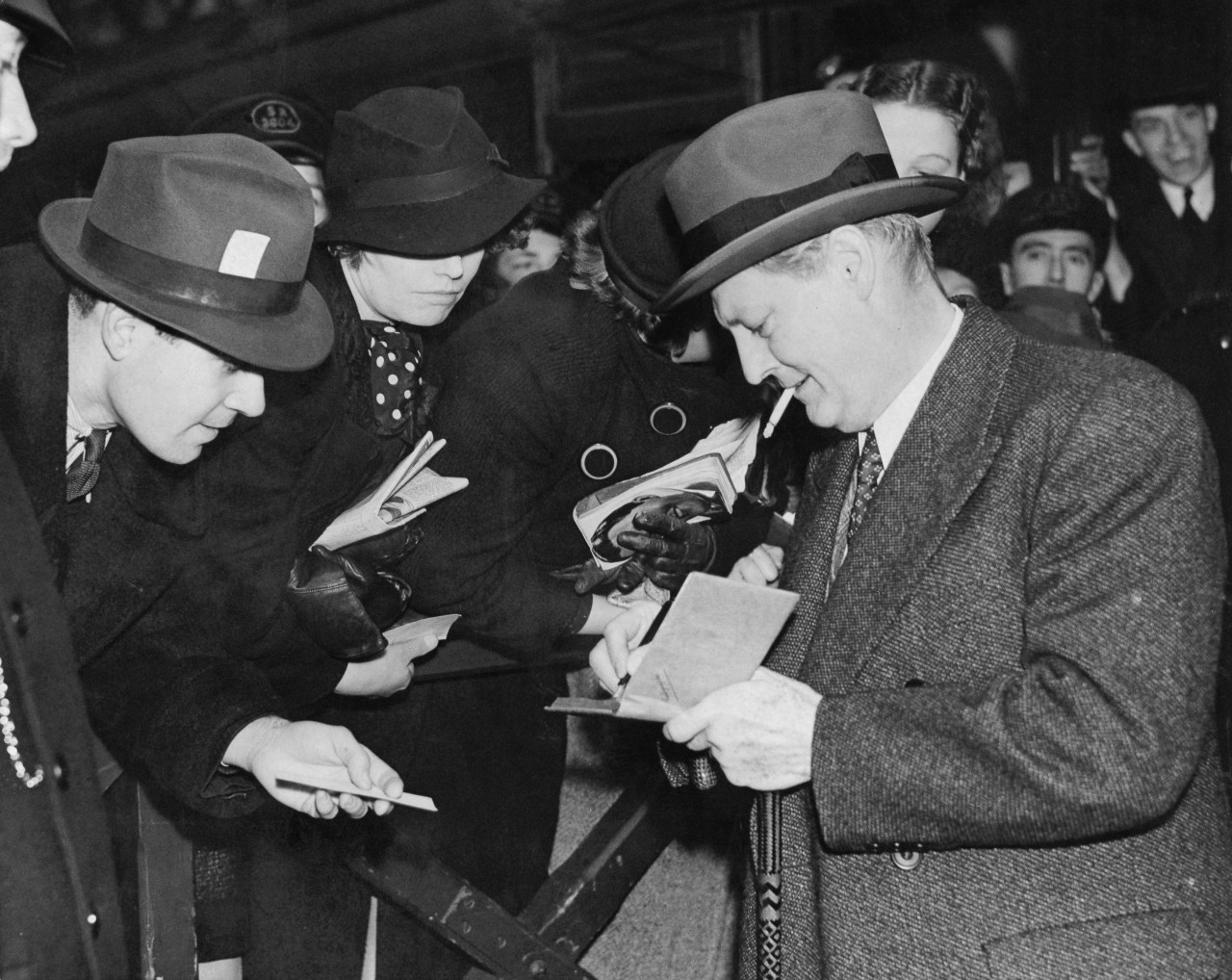
A 1947 FBI memo about It’s a Wonderful Life included an informant’s claim that making Lionel Barrymore’s banker “the most hated man in the picture” was “a common trick used by Communists.”
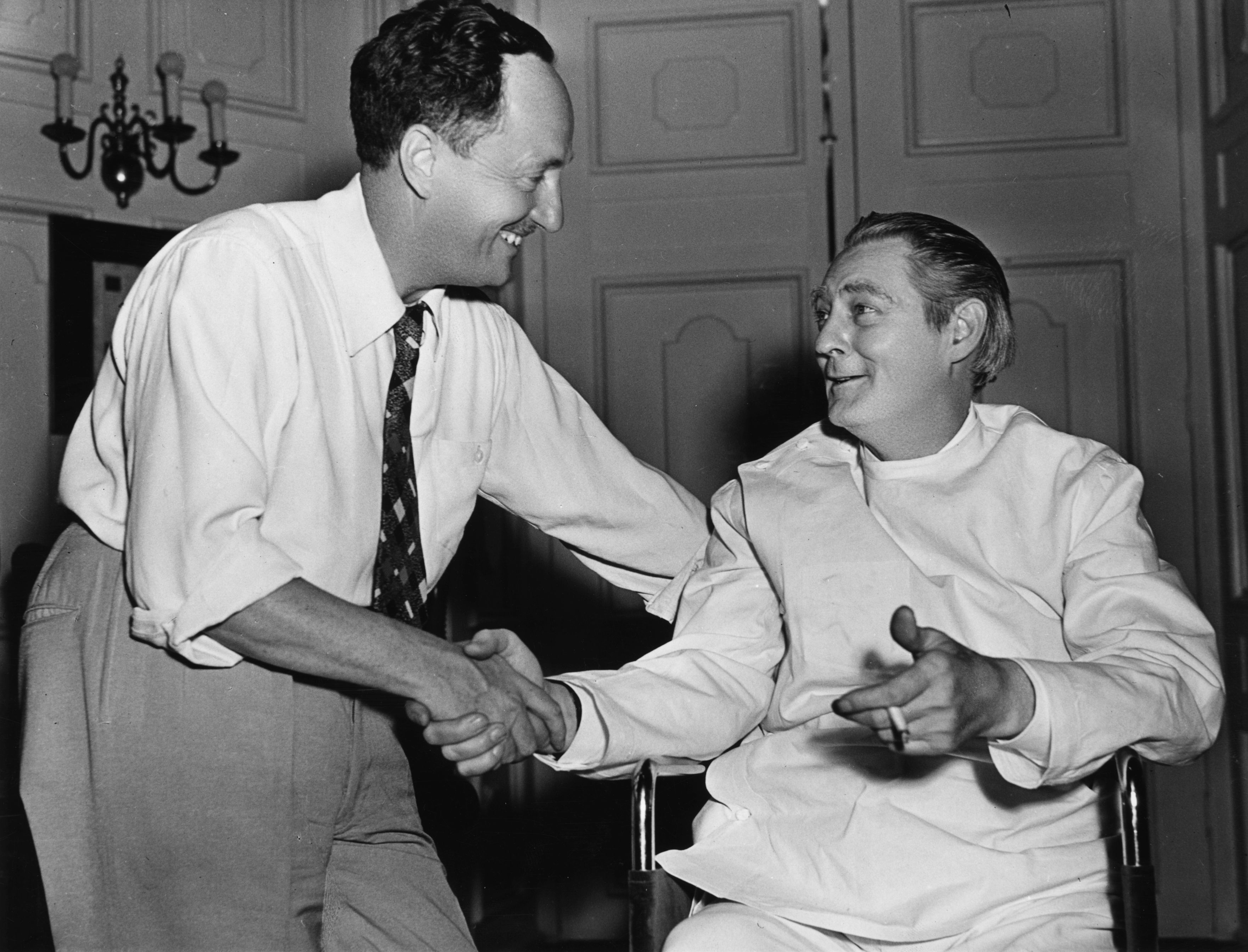
Barrymore played Mr. Potter, the wealthy banker scheming to take over Bedford Falls. The informant’s complaint was that the film “deliberately maligned the upper class” by portraying people with money as “mean and despicable characters.” His preference was a banker who followed state examiners’ rules.
The suspicion extended to those pushing back against him. On August 7, 1947, the FBI’s Los Angeles office labeled the film a “carrier of political propaganda,” pointing to its focus on “the problems of the so-called common man” as another such device.
Screenwriters Frances Goodrich and Albert Hackett were also accused of associating with Communists. Those claims traveled up to J. Edgar Hoover in a May 1947 memo and resurfaced in the bureau’s 1949 file, under “Analysis of Motion Pictures Disclosing Communist Propaganda Therein.”
The FBI never formally classified the movie as communist propaganda. After the 1947 hearings, the House Un-American Activities Committee took no action against its cast or crew.