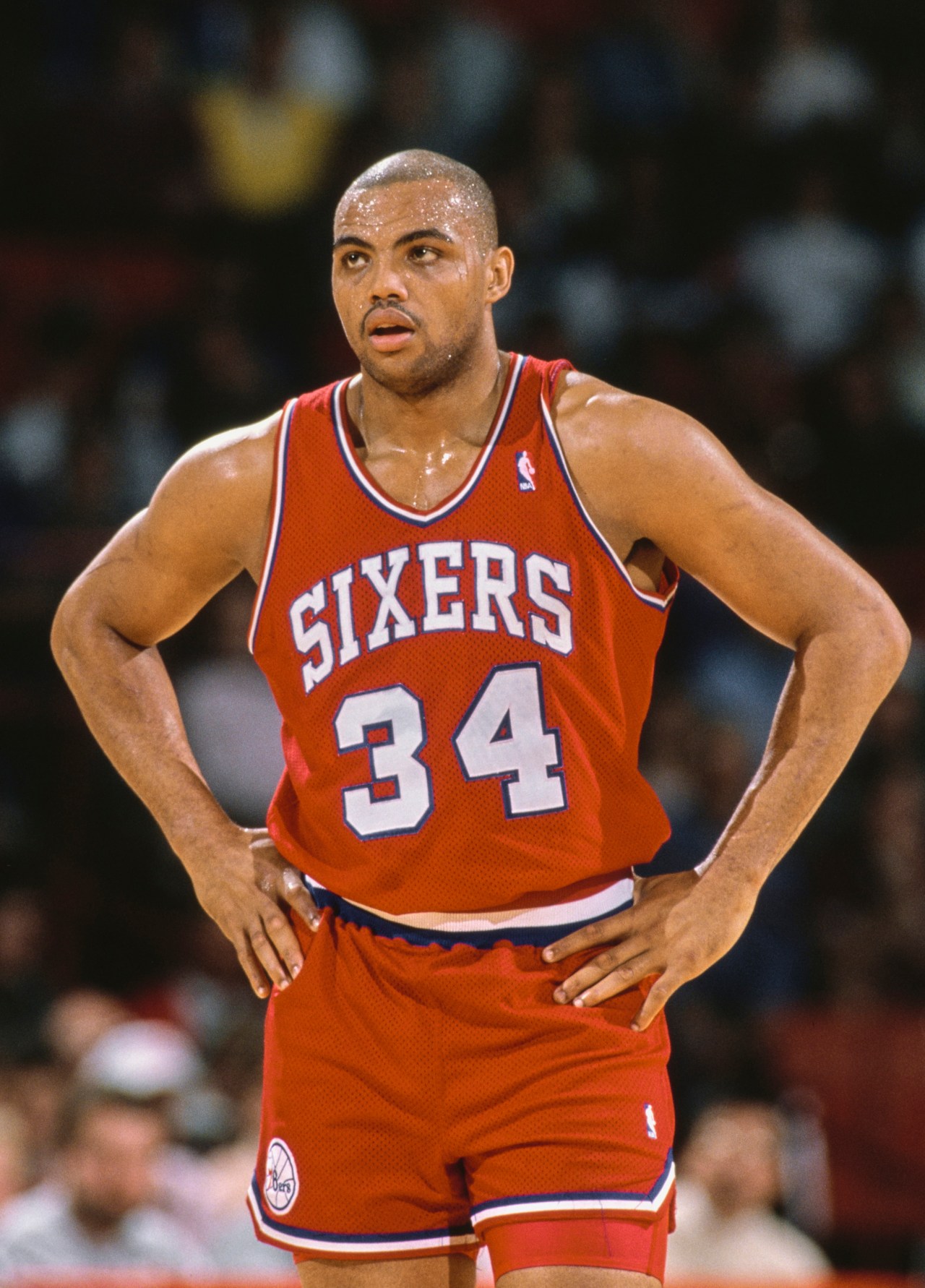
“I am not a role model. I’m not paid to be a role model.” — Charles Barkley
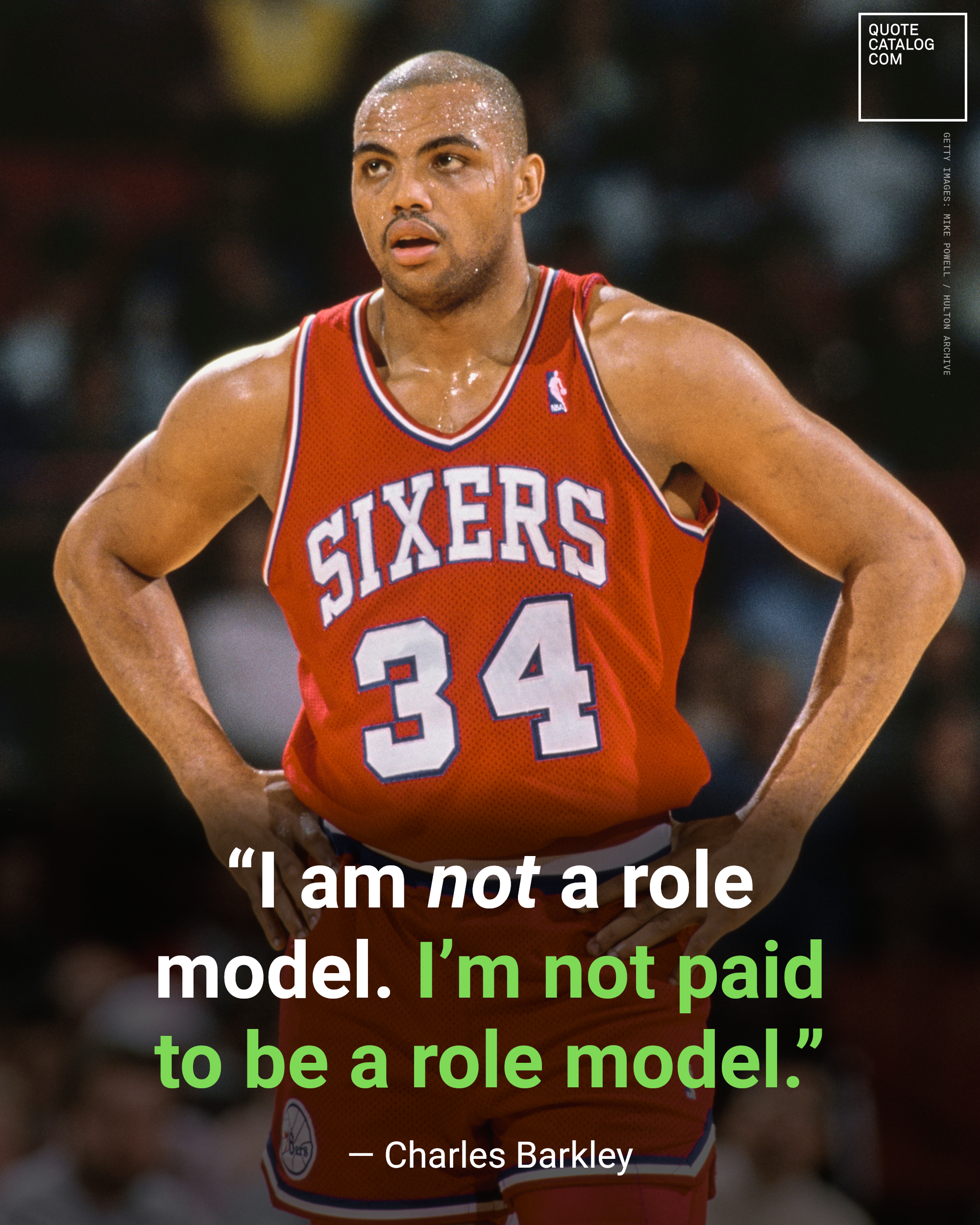
Barkley’s 1993 Nike commercial told parents to take responsibility for raising their children rather than expect it of athletes. It ran during the NBA playoffs and the Finals, when Barkley’s Phoenix Suns faced the Chicago Bulls.
The question of what children might learn from an athlete had a personal edge for Barkley. Born February 20, 1963, in Leeds, Alabama, he was raised by his mother, Charcey Glenn Barkley, and his grandmother after his parents divorced when he was a baby. His father was Frank Barkley. In his book Outrageous, Barkley questioned why a dunk should qualify someone to guide children: “I know drug dealers who can dunk.” That passage appeared in print on March 8, 1992.
Barkley had faced scrutiny over his own conduct. On March 26, 1991, the then-28-year-old spat toward a heckler at Brendan Byrne Arena in East Rutherford, New Jersey, but hit an 8-year-old girl behind him. The NBA suspended him for 1 unpaid game and fined him $10,000. On March 28, Barkley said, “I made a mistake.”
Accounts of how the Nike ad took shape differ. Nike’s Dusty Kidd recalled asking Barkley about role models during a break on another Nike shoot and, in an account dated June 15, 1993, attributed to him the words “a copout to blame athletes if something goes wrong.” Wieden+Kennedy’s Jim Riswold said he overheard Barkley and reworked his words for the commercial. Barkley wrote in his 2002 memoir that he brought the idea to Nike.
The commercial continued with Barkley saying, “I’m paid to wreak havoc on the basketball court. Parents should be role models. Just because I dunk a basketball doesn’t mean I should raise your kids.” NBA commissioner David Stern opposed the message and barred NBA-licensed apparel from the ad. A newspaper criticized the commercial on May 7, and the argument continued around the Finals.
In a June 14, 1993, Sports Illustrated essay, Karl Malone rejected the idea that athletes could choose whether to serve as examples: “We are chosen. Our only choice is whether to be a good role model or a bad one.”
On June 17, 1993, Barkley explained what he hoped the line would prompt: “I can’t think for them. I wanted to vocalize things so maybe they might discuss it with their kids.”