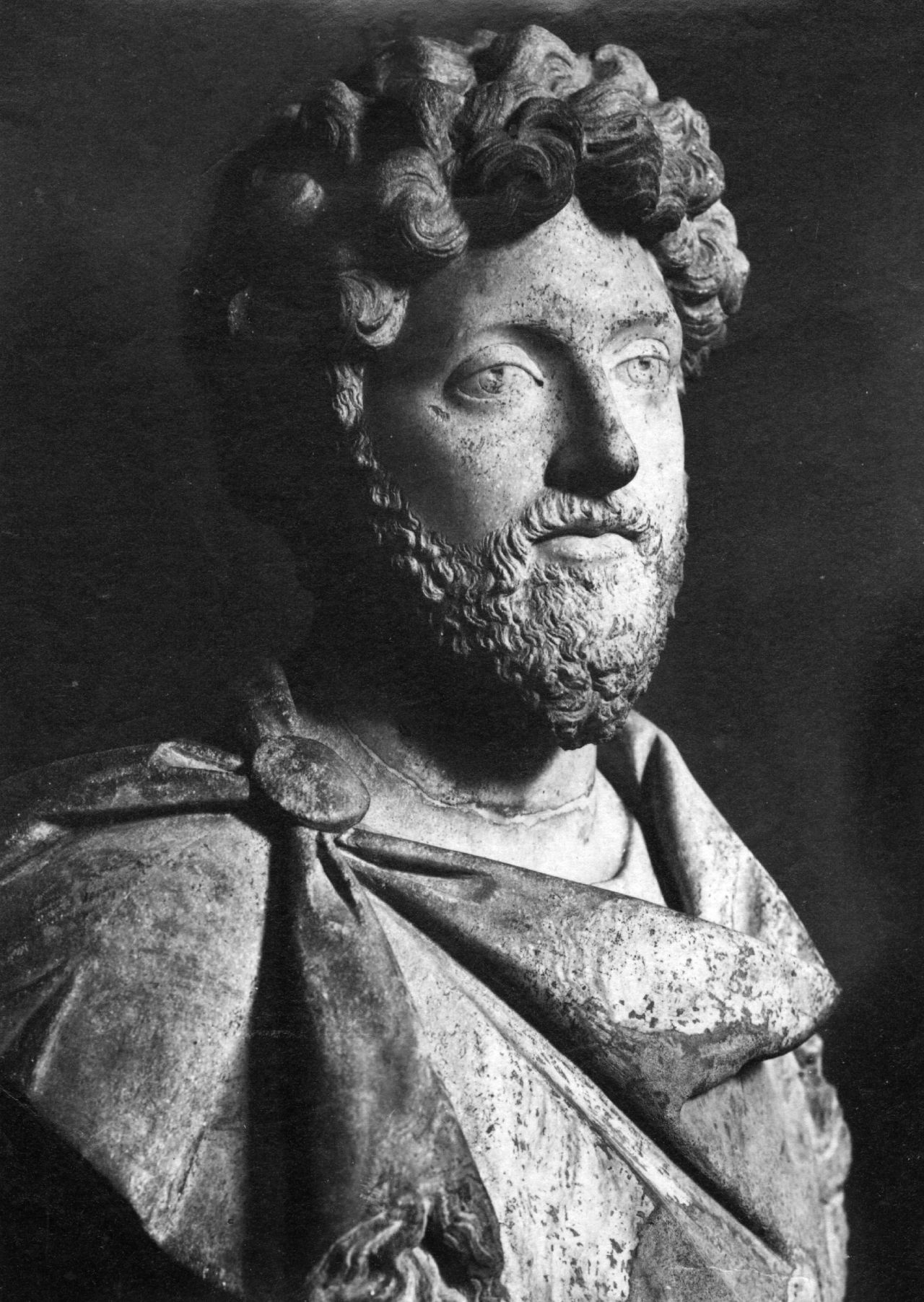
Marcus Aurelius thought we couldn’t last a day if we had to shout every thought out loud. The Roman emperor, who ruled from 161 to 180, wrote himself reminders about giving other people’s opinions too much power. They survive in Meditations, the notes he wrote in Greek for his own guidance and likely never intended to publish.
One passage begins with a contradiction: “It never ceases to amaze me: we all love ourselves more than other people, but care more about their opinion than our own.” That’s Book 12, section 4, in Gregory Hays’s translation, published on May 14, 2002.
He pushed the idea further with an uncomfortable test. The paragraph continues in Hays’s translation: “If a god appeared to us—or a wise human being, even—and prohibited us from concealing our thoughts or imagining anything without immediately shouting it out, we wouldn’t make it through a single day. That’s how much we value other people’s opinions—instead of our own.”
The surrounding notes give that worry a sense of urgency. Marcus reminds himself to prepare for death and links freedom from what other people do and say to spending his remaining time in tranquillity.
Those private reminders survived to reach readers centuries later. Before 907, Arethas of Caesarea described a copy he owned as “so old indeed that it is altogether falling to pieces” and had it copied.