“It is what you do from now on that will either move our civilization forward a few tiny steps, or else… begin to march us steadily backward.” — Patrick Stewart
Those words came from Patrick Stewart, the actor who played Captain Jean-Luc Picard and Professor Charles Xavier. He spent his life supporting human rights, domestic violence survivors, refugees and veterans’ mental health services. Those causes were among the commitments his family chose to remember after his death at 86 on October 28.
Stewart died at his home in Los Angeles. A statement on his Instagram account said he’d had a brief battle with Alzheimer’s and Lewy body dementia. His family also highlighted his work for animal welfare, including fostering pit bulls.
“He will be remembered for the dignity, compassion and humanity he brought to every role,” the statement said.
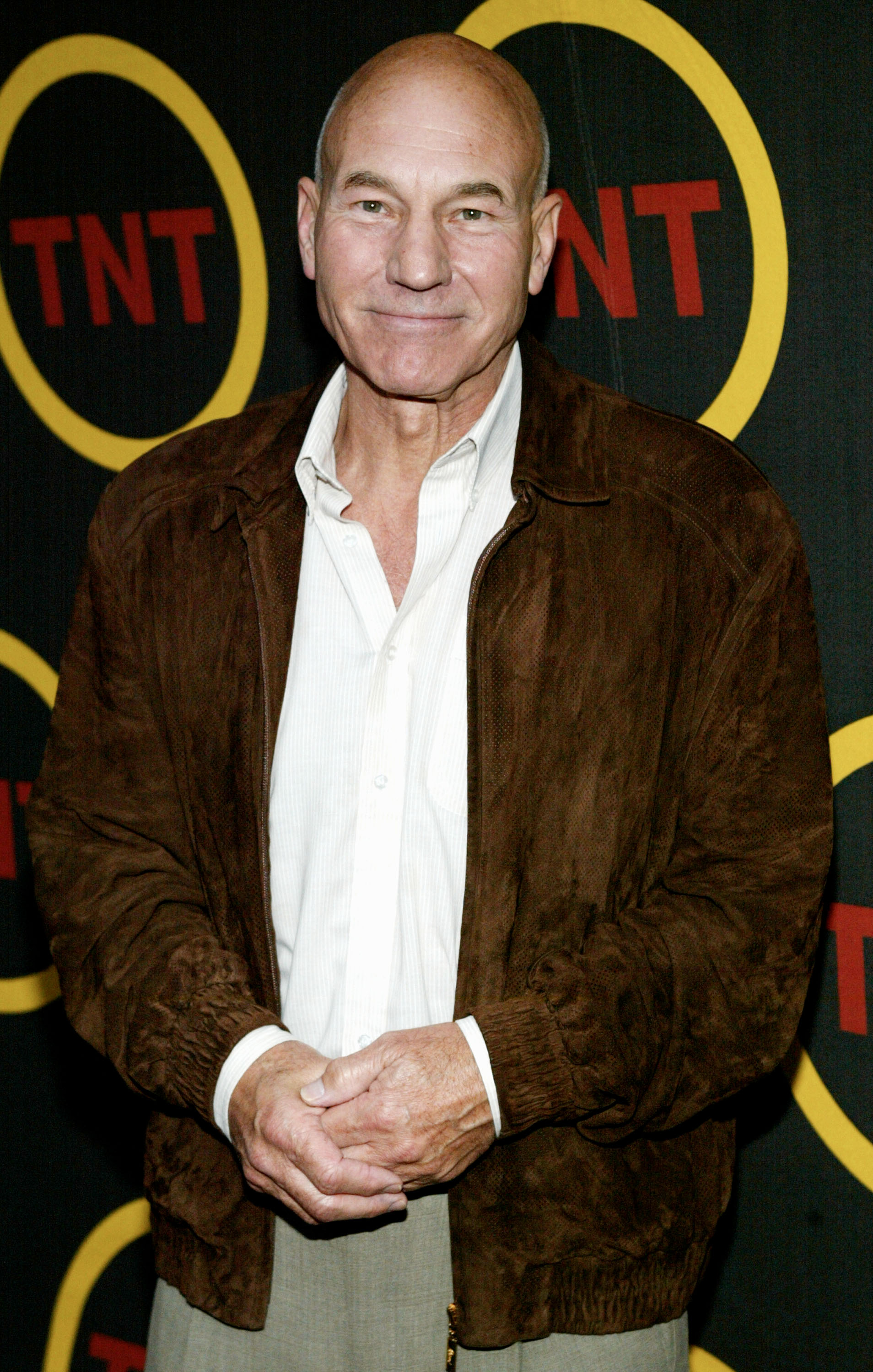
His best-known characters gave him decades to explore questions of responsibility and coexistence. Beginning in 1987, he played Picard through 7 seasons of “Star Trek: The Next Generation” and 4 films, then returned in “Star Trek: Picard” from 2020 to 2023.
In the “X-Men” films, his Xavier faced Magneto, played by his friend Ian McKellen. Their partnership also brought them to the stage in “Waiting for Godot” and “No Man’s Land.” Both are set to appear in “Avengers: Doomsday” this December.
Stewart joined the Royal Shakespeare Company in 1966 and spent 2 decades there before “Star Trek.” His theater work included “Macbeth,” “The Tempest” and a solo “A Christmas Carol” that he adapted himself. Playing Claudius opposite David Tennant in “Hamlet” earned him 1 of his 3 Olivier Awards; he also received a Tony nomination and 4 Emmy nominations.

His screen career extended to “Dune,” “Robin Hood: Men in Tights” and “Green Room.” Voice roles included “American Dad,” “The Simpsons,” “Family Guy” and the “Ted” films.
He’s survived by his wife, Sunny Ozell, and his children, Sophie and Daniel Stewart, from his marriage to Sheila Falconer. McKellen officiated when Stewart and Ozell married in 2013.
The line reads as a charge to keep working at something after the moment that prompts it, framing the present as the place where the next steps get taken.