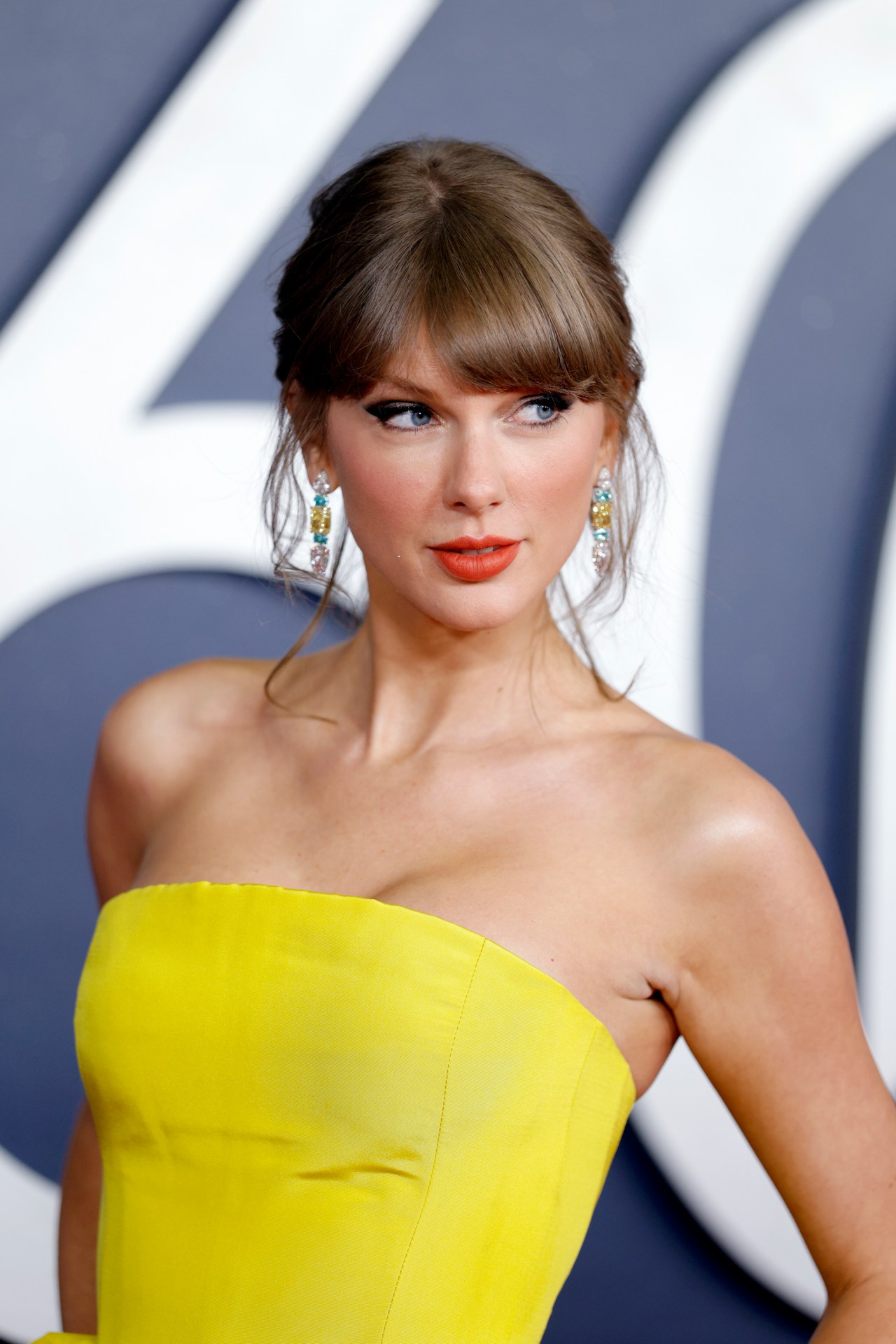
Piers Morgan is defending Taylor Swift after Vanity Fair published a profile that refers to her through code names, accusing the magazine of publishing a “hatchet job” and citing his own experience with the singer.
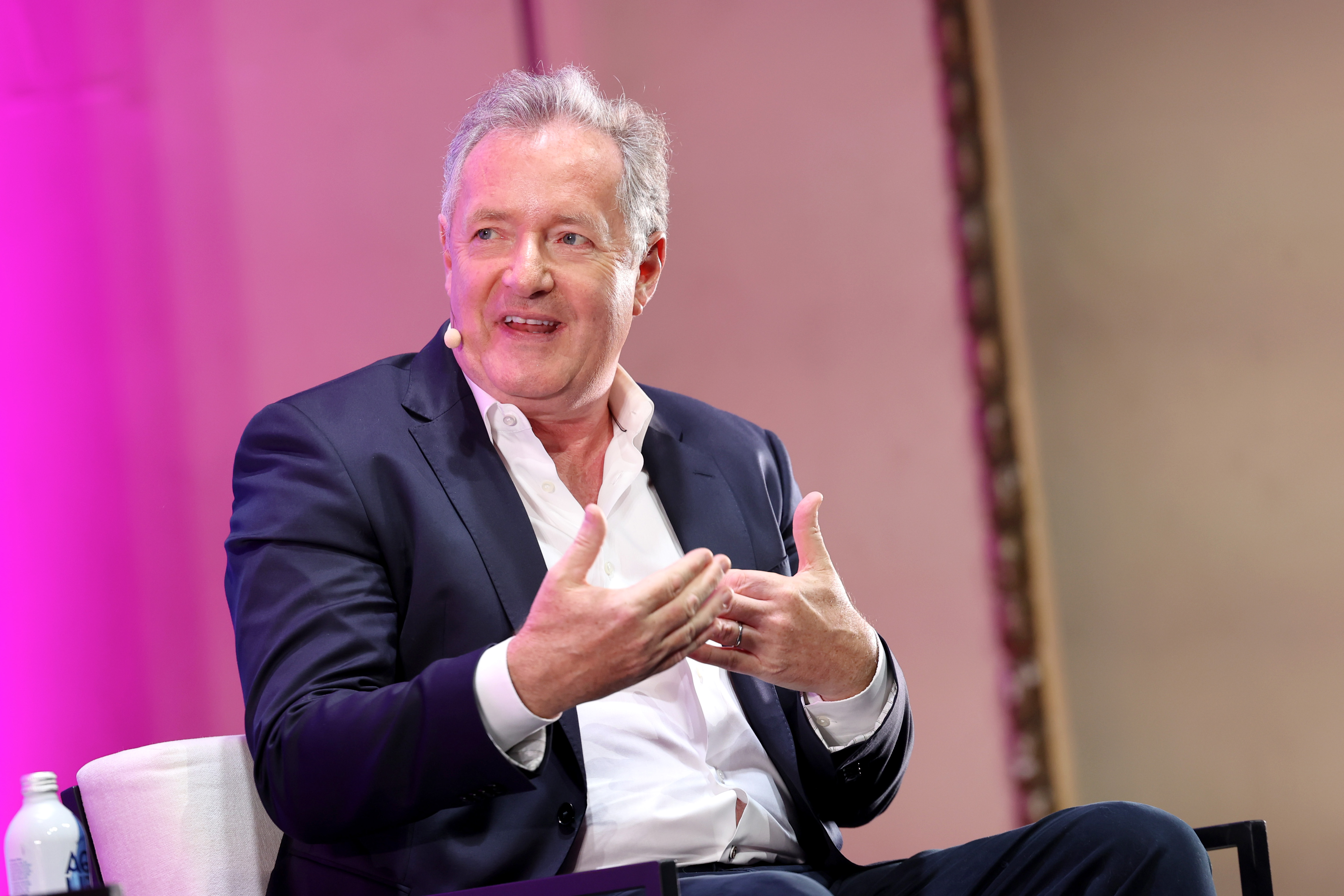
“This may be the b****iest, nastiest hatchet job I’ve ever read in a supposedly elitist magazine,” Morgan said. “From my personal experience and knowledge of @taylorswift13 she is a hard-working, talented, generous and surprisingly down-to-earth woman given her superstardom.”
Morgan and Swift aren’t close friends. He’s recalled chatting with her at an Oscars party, describing her as “a very nice, polite young lady.”
His public support has had reversals. In 2016, after Kim Kardashian released footage of Swift’s phone call with Kanye West about his song “Famous,” Morgan said on Good Morning Britain that he felt “completely conned” and suggested calling her “Pinocchio Swift.” He accused Swift of being less than truthful about approving a lyric, then later softened his criticism.
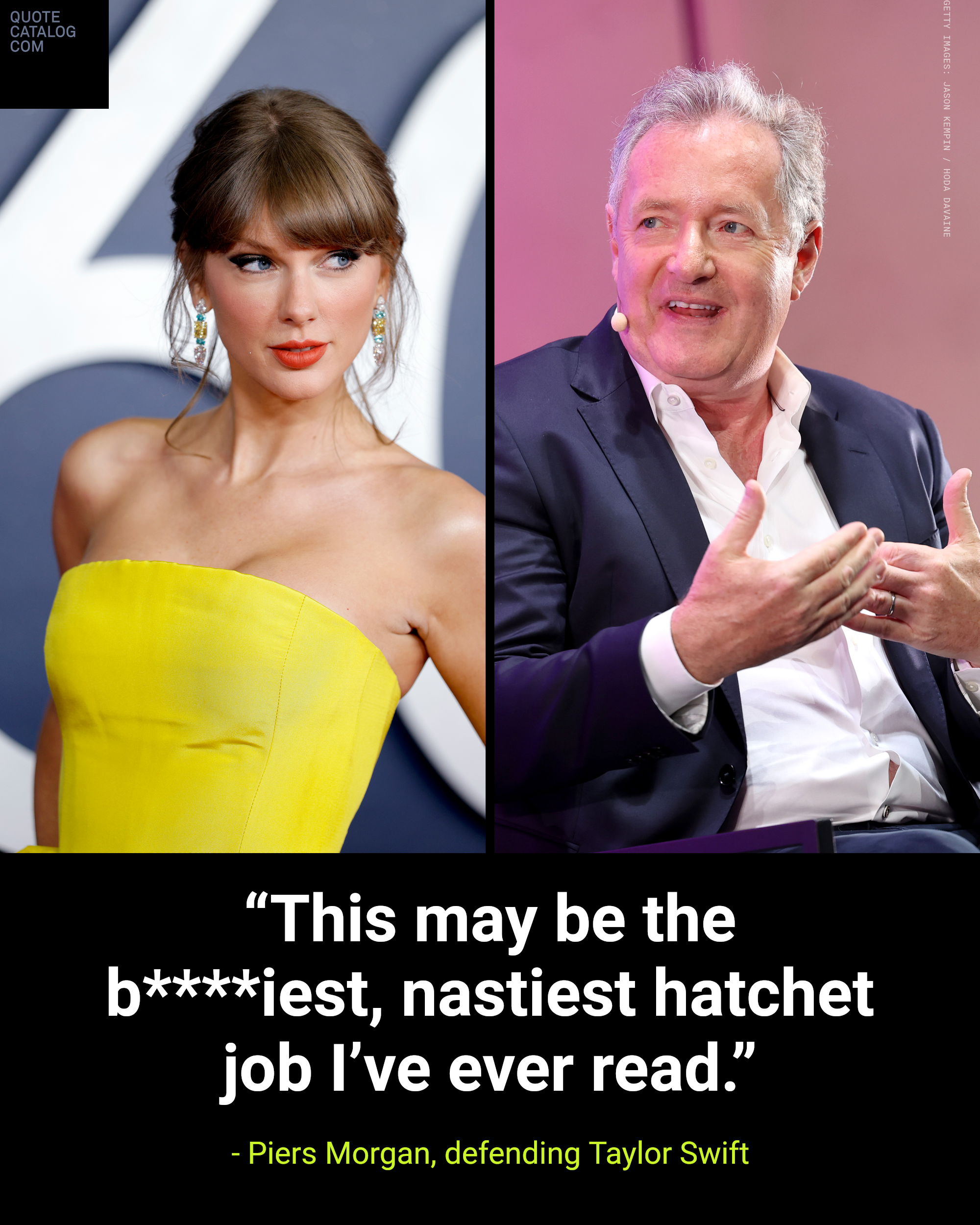
By 2023 and 2024, he was calling Swift “an absolute phenomenon” and describing himself as a Swiftie. In June 2024, he took his daughter to the Eras Tour at Wembley and praised the concert and Swift’s rapport with the audience in his review. He also recounted receiving a friendship bracelet that read “Y U gotta be so mean?”
May Jeong’s “The Mastermind,” published November 23, never identifies Swift by name. Instead, she’s “The Star” or “The Mastermind.” Travis Kelce becomes “Redwood,” while Charli XCX is called “The Brat.”
The article alternates between sections labeled “A Side” and “B Side,” pairing a fairy-tale account of Swift’s success with a critical examination of that image. It draws on conversations with more than 100 people, though only a handful are quoted on the record.
Morgan’s criticism follows objections from Variety’s Chris Willman, who questioned whether the reporting delivered enough substantive revelations to support its harsh portrayal of Swift. His criticism also focused on its reliance on anonymous sources.