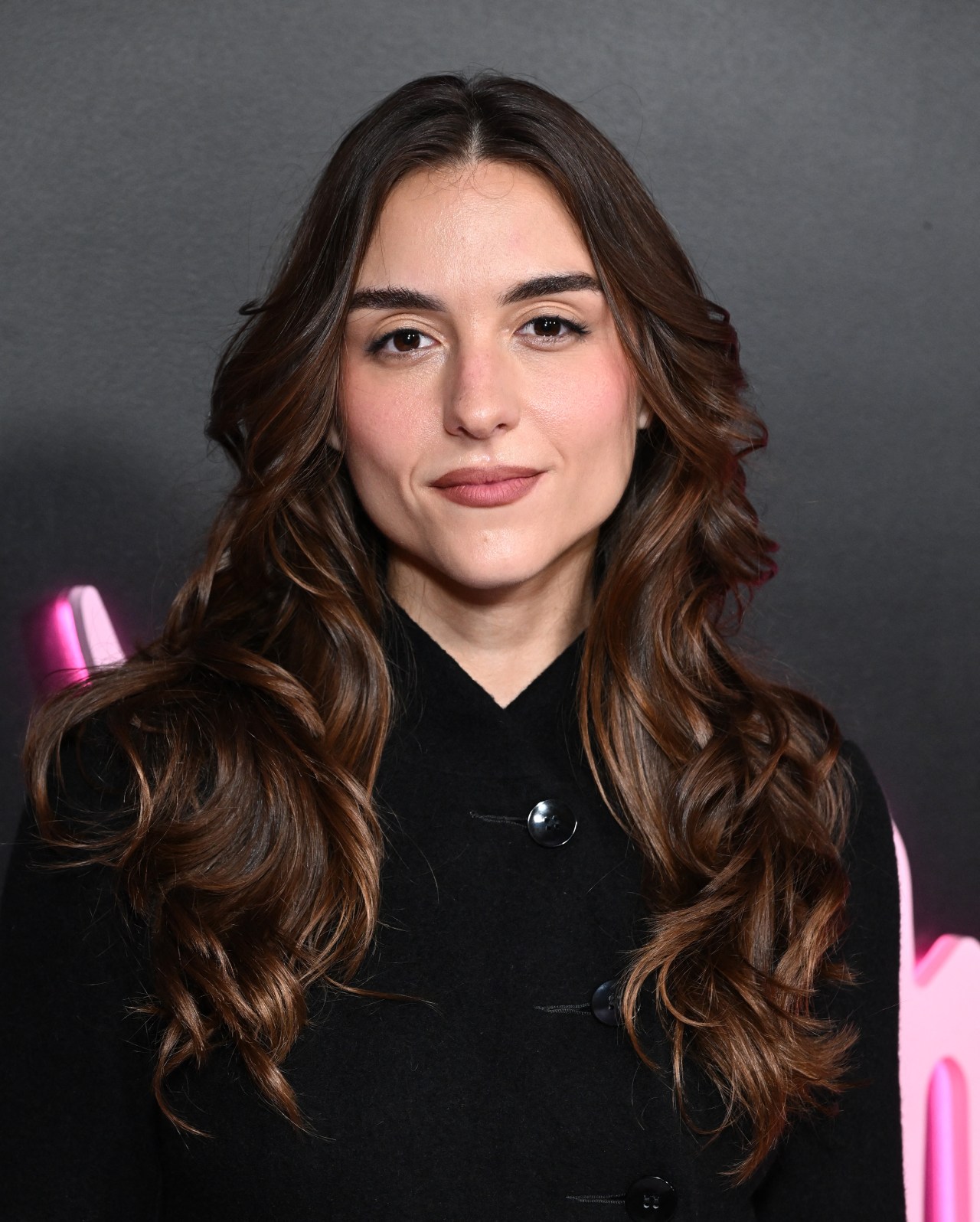
“I always related to religious horror…it’s the perfect metaphor for a queer girl’s coming-of age. Worshipful experiences that give meaning to your life, and then deep repression.” — Quinn Shephard
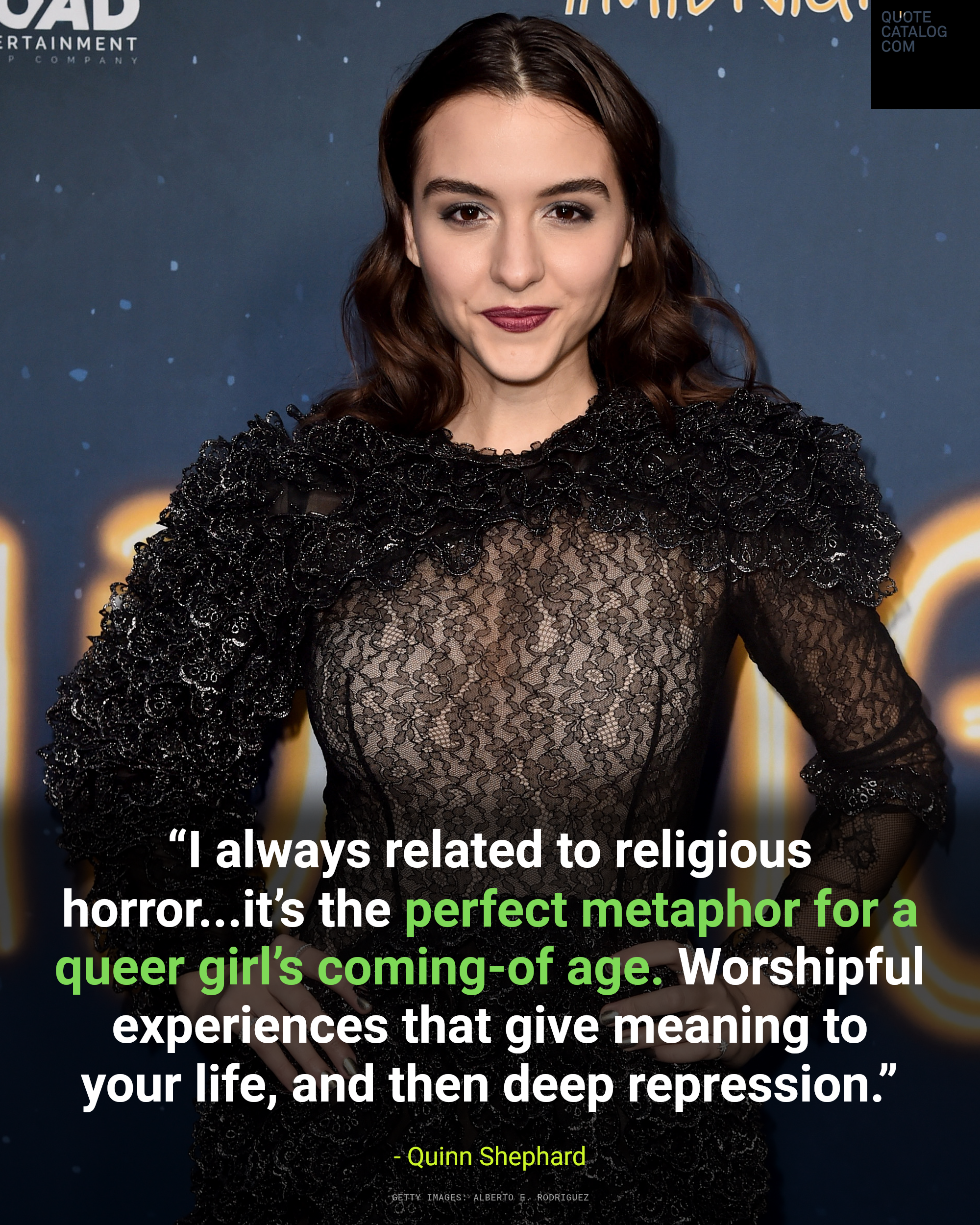
Shephard wrote “The Body” for Netflix, where it helps explain how she came back to faith after years of associating Christianity with the rejection of queer people. The 31-year-old creator drew on both her childhood attraction to religion and the shame she later connected to it for a drama about Catholic schoolgirls, desire and belief.
Released Nov. 11, the series takes place in 2004 and debuted at No. 3 on Netflix’s weekly viewership rankings. Sofia Wylie plays Grace, a girl whose dance teammates pressure her to take Ecstasy at a Halloween party.
After she falls into a coma, the girls cover up their involvement by claiming she’s appearing to them in religious visions. Their story spreads until townspeople begin worshipping Grace and finding comfort in their belief.
Shephard first wrote a version of the show 10 years ago. With distance, she came to understand why religious horror’s mix of devotion, repression and ecstasy had appealed to her, calling it the perfect metaphor for a queer girl’s coming-of-age.
Her own introduction to Christianity came through occasional church visits with her paternal grandmother, an Evangelical deliverance minister. Shephard was never baptized, but she loved the singing, dancing and feeling of talking to Jesus.
Then she saw an adult-oriented play involving fears of hell and suicide. It distressed her enough that her mother, who’d experienced Catholic guilt herself, ended the church visits. For a while, Shephard secretly read her children’s Bible, trying to understand why religion had become forbidden.
As she got older, her objections became more personal and political. “I associated it with oppression of the queer community and rejection of people for being different,” she said.
Yet churches, particularly those filled with singing and dancing, could still move her to tears. She never considered herself an atheist.
Working with the show’s writers and talking to people about their beliefs gave her room to explore that tension. She says she can now have meaningful conversations about faith with religious relatives, provided they leave politics out of it.
“Writing this show has weirdly healed my relationship with faith,” Shephard said. She described the approach shared by the people making “The Body” as “very faith-positive, but system-critical.”