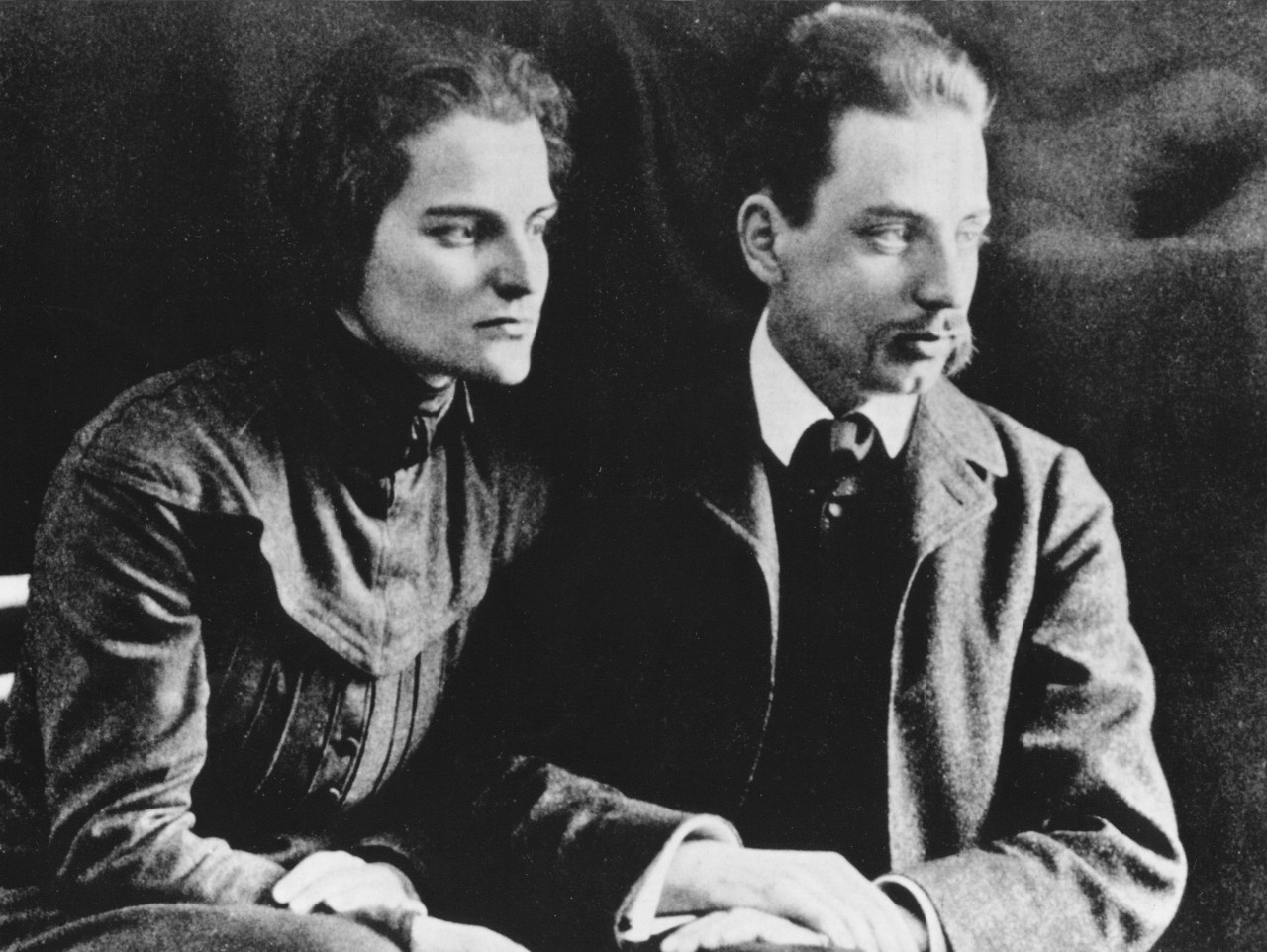
Poet Rainer Maria Rilke was 27, ill and exhausted after leaving Paris, when he wrote from Worpswede to Franz Xaver Kappus, a 19-year-old cadet weighing poetry against an army career.
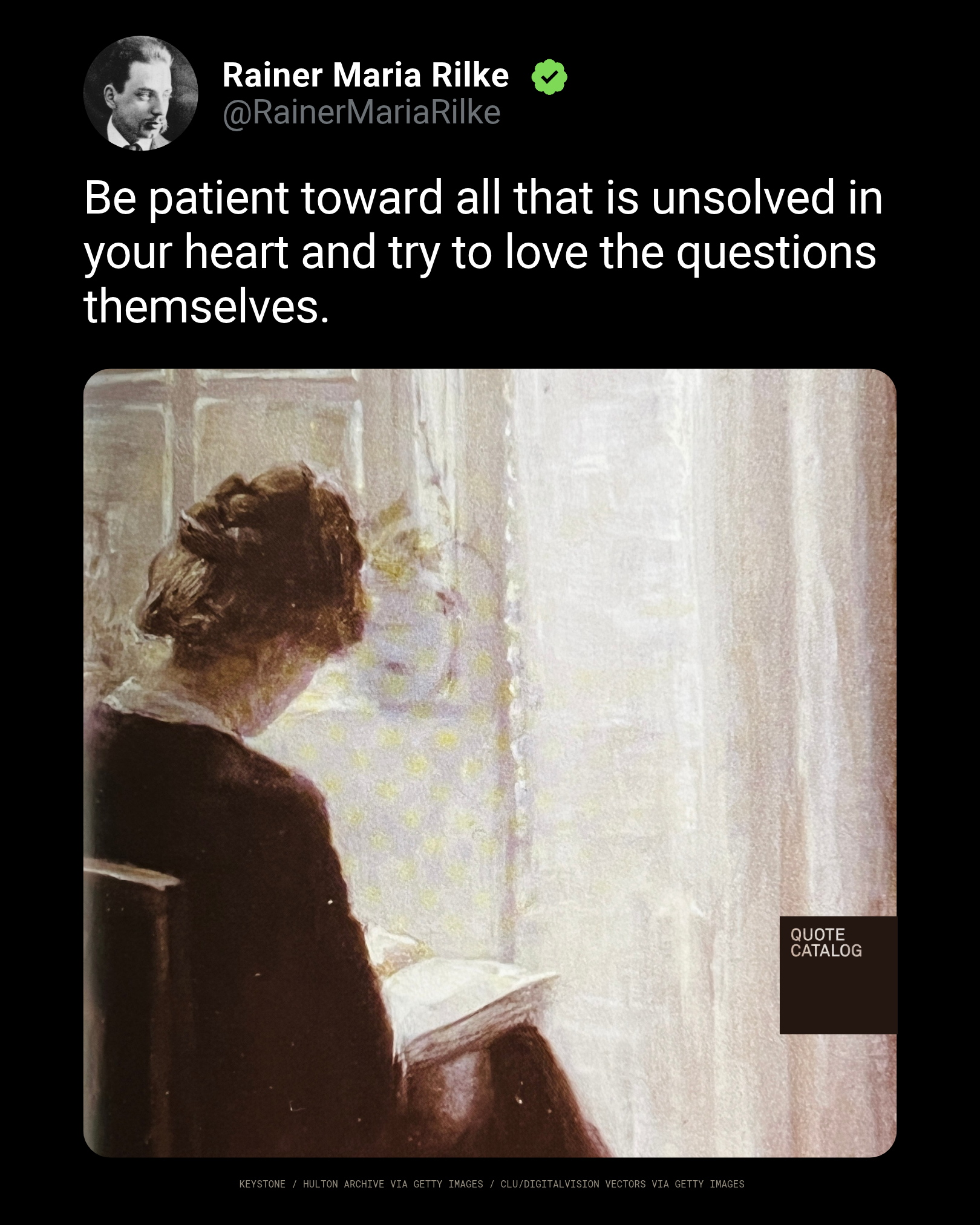
In the letter dated July 16, 1903, in Letters to a Young Poet, Norton’s translation reads: “Be patient toward all that is unsolved in your heart and try to love the questions themselves.” Rilke urged Kappus to let experience bring understanding in its own time.
Born in Prague to a railway official and a mother who encouraged his poetry, Rilke endured military schooling from 1886 to 1891. It left him deeply unhappy.
As a young man, he traveled to Russia with Lou Andreas-Salomé and met Tolstoy. In 1901, he married sculptor Clara Westhoff. They had a daughter, but the marriage was short-lived.
He later completed the Duino Elegies in 1922 and died of leukemia in 1926.
Kappus published their 10 letters in 1929. In 2021, Krista Tippett returned to living the questions as a “life practice” while discussing Macy and Barrows’s new translation.