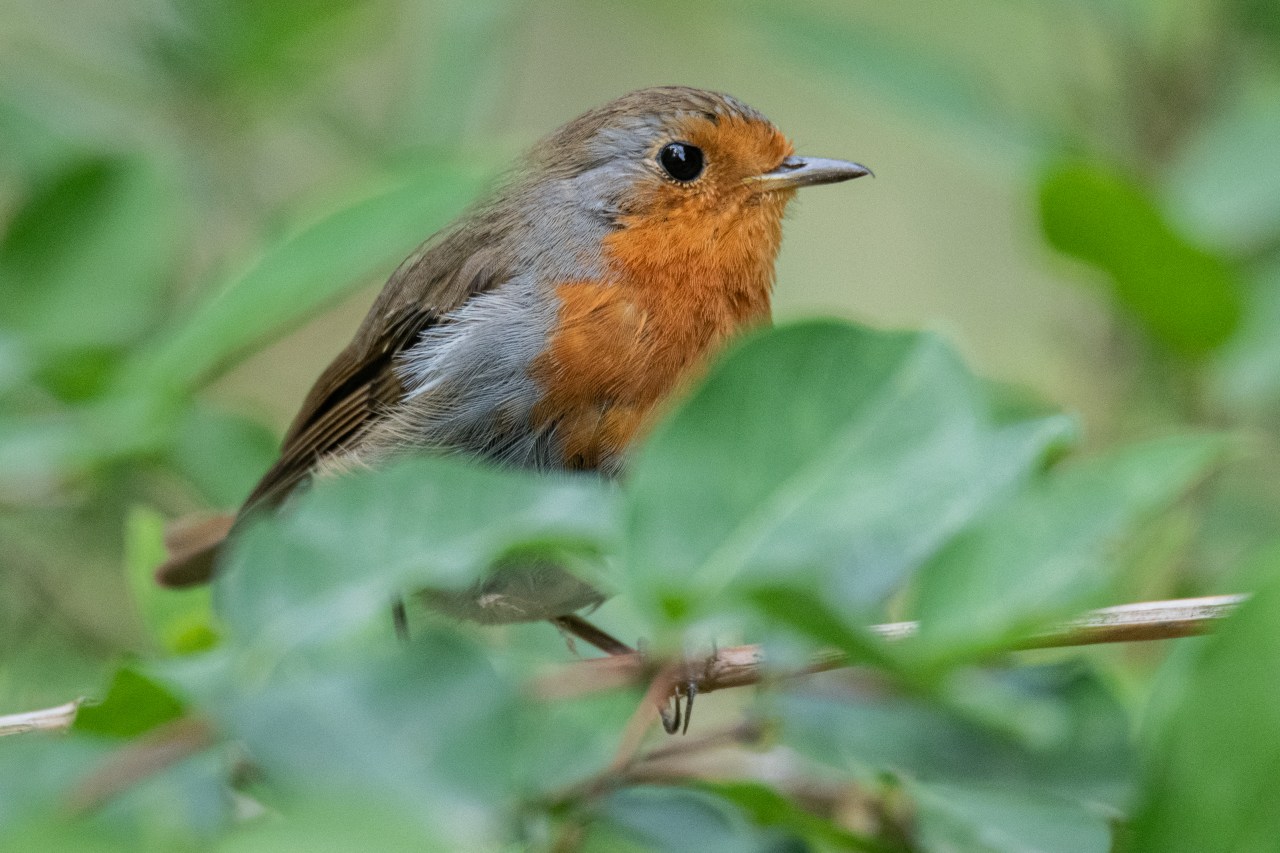
Something in a robin’s eye may let it see the direction it needs to fly. Blue light hits a protein called cryptochrome 4 in the bird’s retina, knocks an electron loose, and leaves behind a pair whose chemistry Earth’s magnetic field nudges ever so slightly, depending on which way the bird is facing.
Klaus Schulten proposed the idea back in 1978. Science turned it down with a note that read, “A less bold scientist may have designated this idea to the waste paper basket.” Years later, when cryptochrome turned up in animal eyes, he said, “I just fell off my chair.”
In 2021, Jingjing Xu in Henrik Mouritsen’s Oldenburg lab, working with Peter Hore’s team at Oxford, showed the robin’s version of the protein really is magnetically sensitive. The catch, in Mouritsen’s words: “We only looked at this molecule in isolation, we didn’t look at it inside a bird.”
What might it feel like to carry that sense? “You may be able to see where north is as kind of a shading on whatever else you would be seeing,” Mouritsen said.
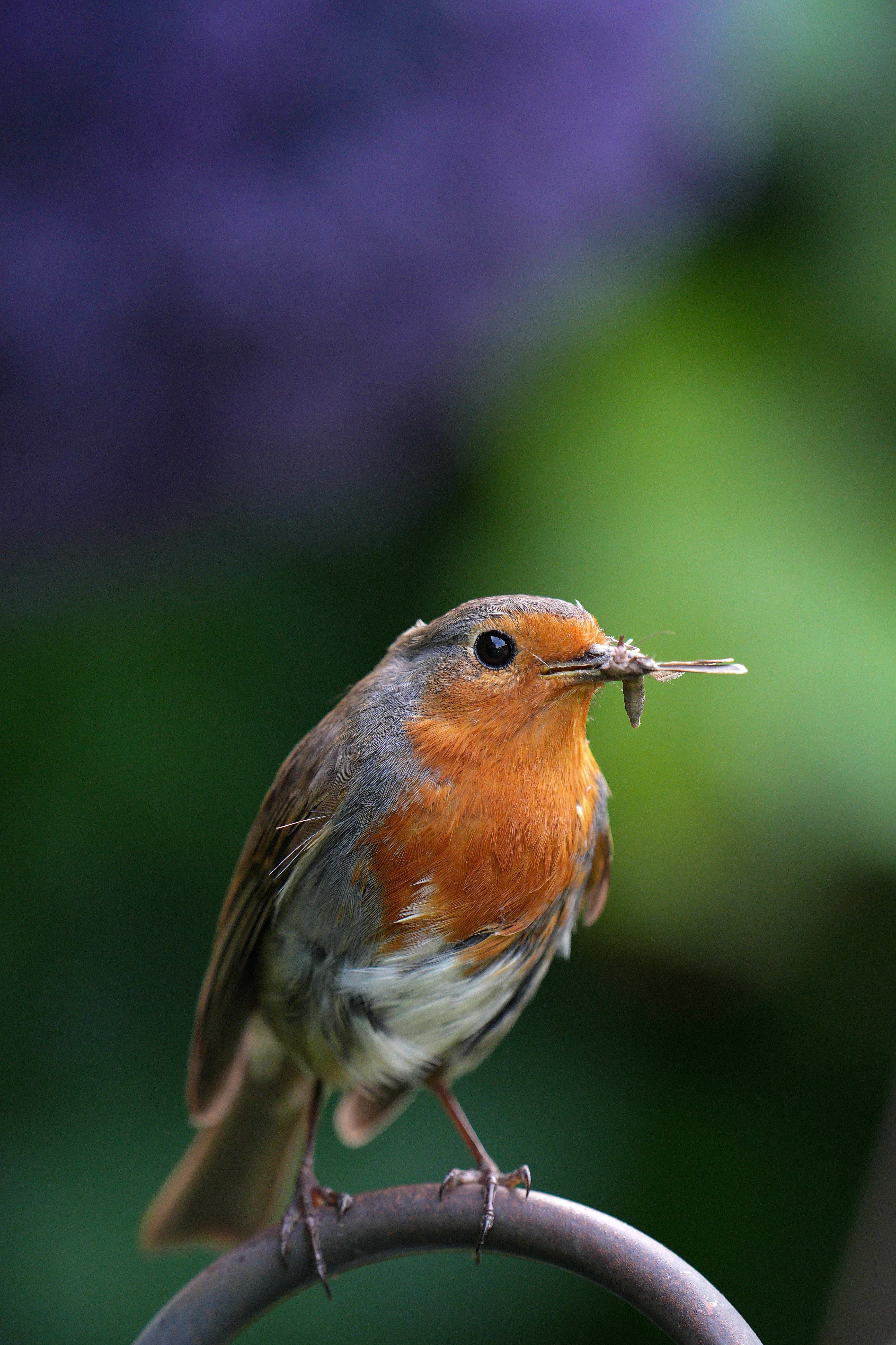
There’s a strange tell that backs the whole picture up. In Oldenburg, the robins’ compass quit working inside the lab’s wooden huts, scrambled by faint radio noise from AM signals and nearby electronics.
A grounded aluminum screen brought it back. “It was like flipping a switch,” Mouritsen said.
Prove the protein is the sensor, Hore says, and you’ve shown a bird finds its way home on “a fundamentally quantum mechanism.”