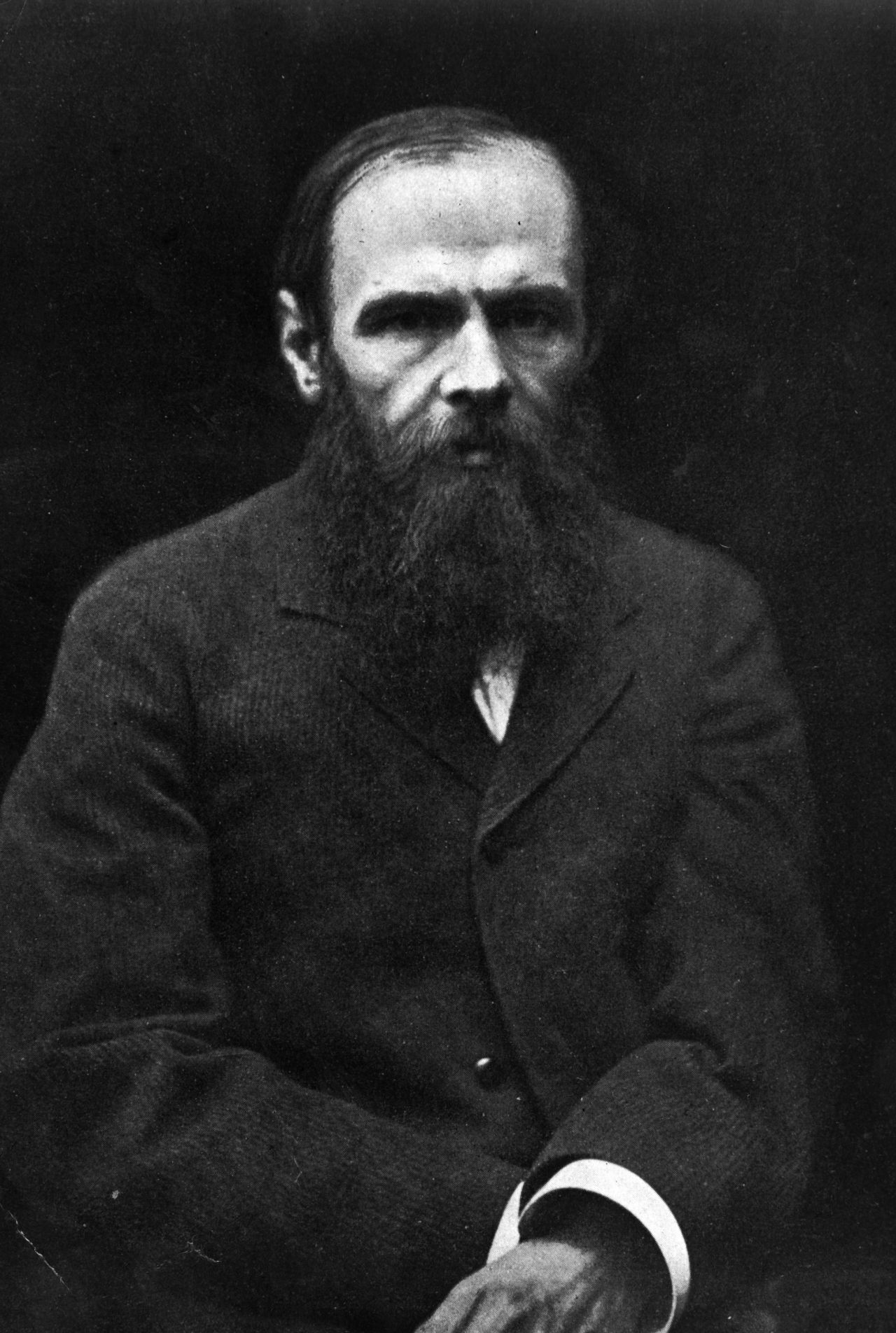
“Above all, don’t lie to yourself.” The line comes from Fyodor Dostoevsky’s The Brothers Karamazov, where Father Zossima warns Fyodor Karamazov of a danger: that self-deception can erode the ability to love.
Readers still take the line personally. One person who came across it on social media in August 2024 wrote that it hit them as they examined their own behavior and values, and those of others. A decade earlier, in June 2014, someone who posted the passage online said Dostoevsky had totally called them out on that behavior.
Zossima speaks the line when Fyodor Karamazov kneels and asks how to gain eternal life.
“Above all, don’t lie to yourself,” Zossima says in Book II, Chapter II, “The Old Buffoon,” in Constance Garnett’s translation. He describes losing touch with truth, then respect for oneself and others, then love.
Later, Zossima asks, “What is hell? I maintain that it is the suffering of being unable to love.” He also says, “Love in action is a harsh and dreadful thing compared to love in dreams.”
Philosopher Hubert Dreyfus reads the brothers through Kierkegaard’s accounts of despair and the ways the self relates to itself. In his interpretation, self-deception hides inner contradictions; active love, forgiveness and confession offer ways to face them.
Born in Moscow in 1821, Dostoevsky lost his mother to tuberculosis as a teenager. In 1849, he faced a firing squad before his death sentence was commuted. He spent 4 years at hard labor in Omsk.
He began the novel in 1878, at 56. That May, his young son Alyosha died of inherited epilepsy. Grieving, Dostoevsky visited Optina Monastery; an elder’s life helped shape Zossima.
Much of the novel was written in Staraya Russa. Dostoevsky died in 1881.
Nietzsche later called him “the only psychologist from whom I had something to learn” in Twilight of the Idols. His work also influenced Camus and Sartre.