“Not everything that is faced can be changed; but nothing can be changed until it is faced.” — James Baldwin
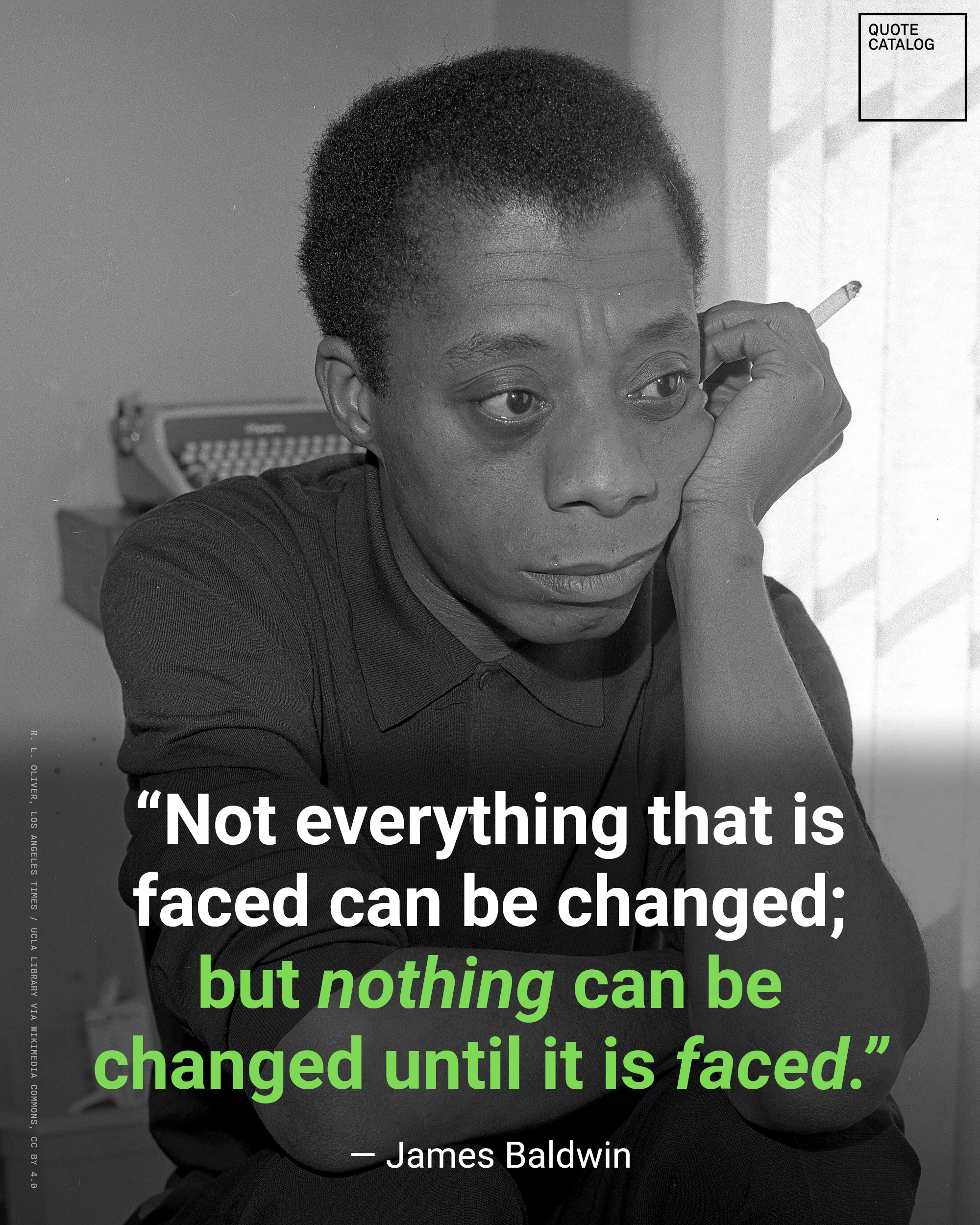
James Baldwin wrote the words in his essay “As Much Truth As One Can Bear,” which appeared on January 14, 1962. In it he asked what writers owed the world, challenging the reverence given to Hemingway, Fitzgerald, Dos Passos and Faulkner, and telling his generation it “must throw everything into the endeavor to remake America into what we say we want it to be. Without this endeavor, we will perish.”
He urged writers to turn away from Hemingway’s “big two-hearted river.” In Hemingway’s 1925 story, Nick Adams fishes after the war, seeking solace while avoiding a swamp. Baldwin pressed writers to face America’s troubles rather than retreat into private peace. Hemingway had died by suicide on July 2, 1961, about 6 months before the essay appeared.
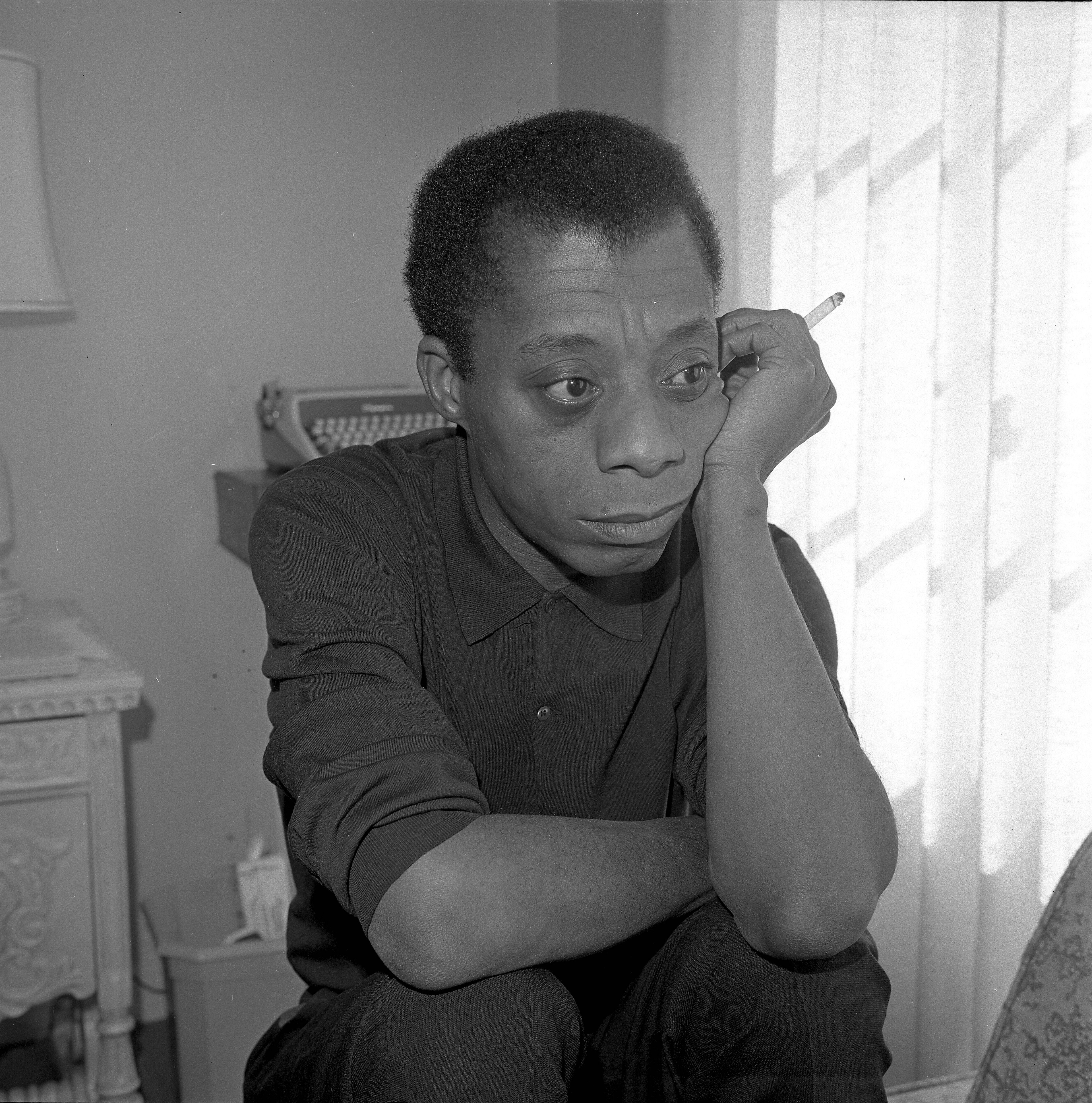
Baldwin was 37 when it ran. He’d arrived in Istanbul in October 1961, exhausted and broke, and later said Turkey saved his life. There, on December 10, 1961, he finished Another Country, a novel published in 1962 that dealt with interracial desire, bisexuality and Black despair. His time abroad was a respite, and it coincided with work that kept America in view.
That mix of distance and attention is what gives the line its weight. Baldwin was asking his own country to look at itself, and asking it of himself too.
The essay was collected in The Cross of Redemption in 2011. Raoul Peck’s 2016 documentary I Am Not Your Negro, about Baldwin’s unfinished project on Medgar Evers, Malcolm X and Martin Luther King Jr., ends with that answer divided into 2 sentences. That ending is one reason the words have stayed with people.