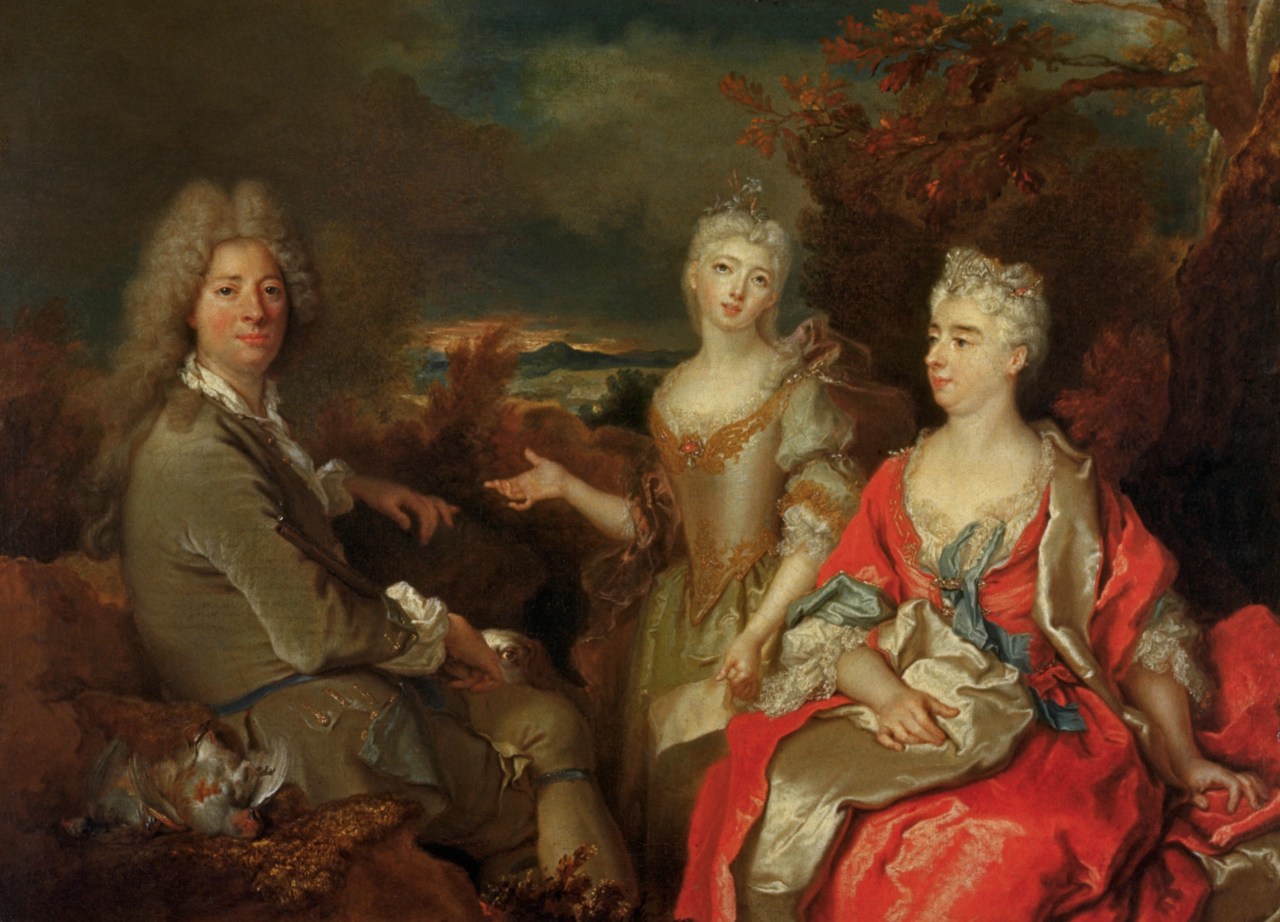
Tova Leigh posted a plain line on a card: “Patriarchy is when ‘I have a boyfriend’ stops a man faster than ‘No.’ When an invisible man gets more respect than the woman standing right there.” It moved because women recognized it: a man who shrugs off “no” will back off the moment he hears another man has a claim on you.
Leigh, a British Israeli writer and performer, built her following on that kind of blunt read. Born in Jerusalem to an Israeli father and an Irish mother, she left employment law after two years, moved to the UK in 2006 to study acting, and found an audience in 2015 when a post titled “I love my kids, but sometimes I wish they would just f**k off” was shared by 3,000 people.
She has since published four books, the latest being Good Girls Gossip in 2025.
She has pressed the point in her own words elsewhere. On TikTok in December 2025 she said men treat “no” like a personal hate crime, then turn around and offer their “deepest respects” to an imaginary boyfriend.
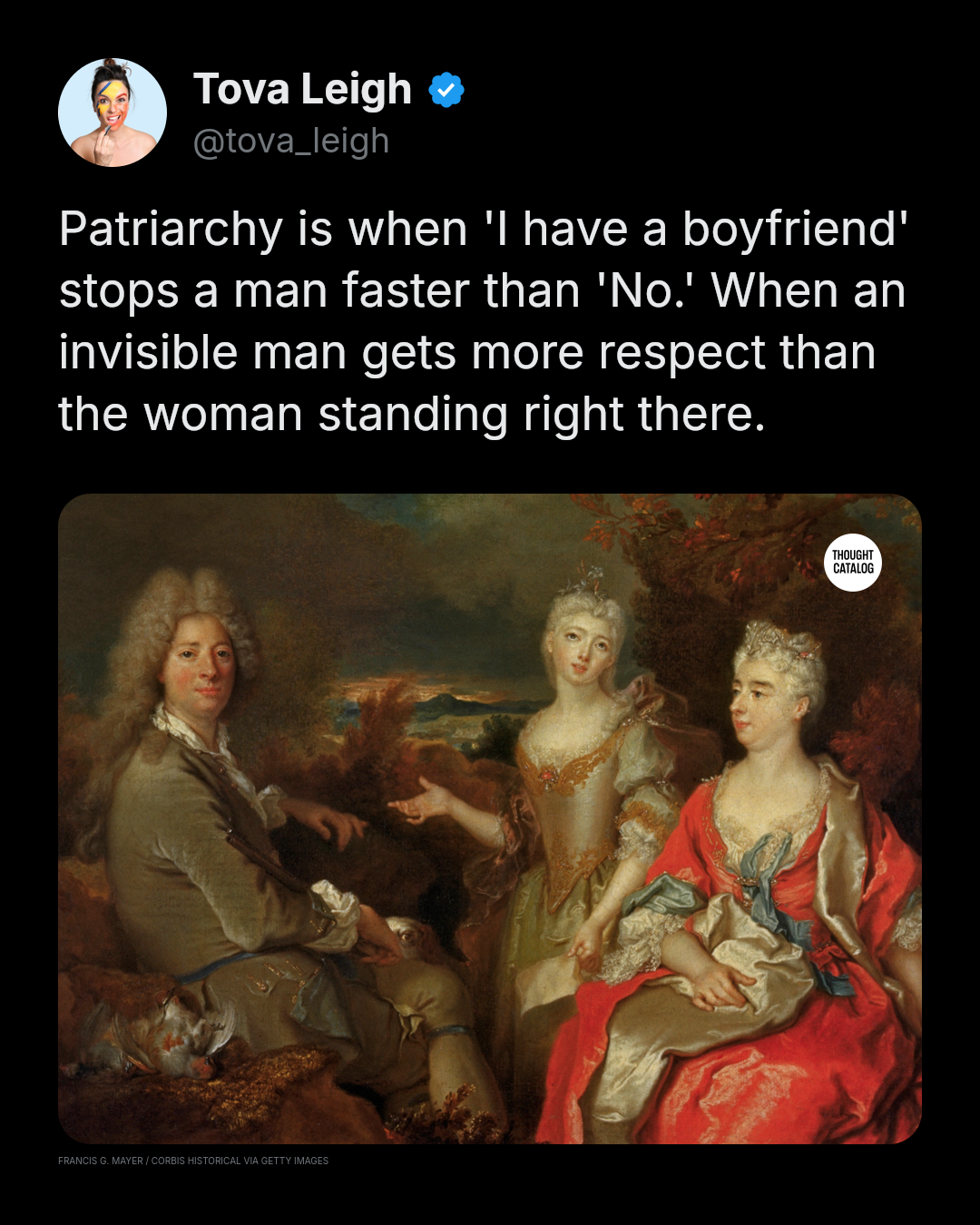
The pattern she is describing has been documented for years. In Time in 2014, Eliana Dockterman wrote that “I’m not interested” earned her ten minutes of argument, while “I have a boyfriend” made men “flee pretty quickly.”
Jameela Jamil has said a plain “no thank you” at 19 got her punched, so she claims a boyfriend whether she has one or not.
The line is not a reliable shield. Dockterman noted that some men answer “I have a boyfriend” with “So?”
When Jamil used the line in a shop, the man still threatened her career and called her “low class.” Writing in the Sydney Morning Herald in 2014, Clementine Ford said citing a boyfriend, wearing a ring, or inventing a husband never made her feel safer, only more exposed.
No study has measured which line actually stops a man faster. What the research does show, from Cornell’s Vanessa Bohns and Lauren DeVincent, is that men pursuing someone underestimate how uncomfortable a direct no is, and can read hesitation as interest.