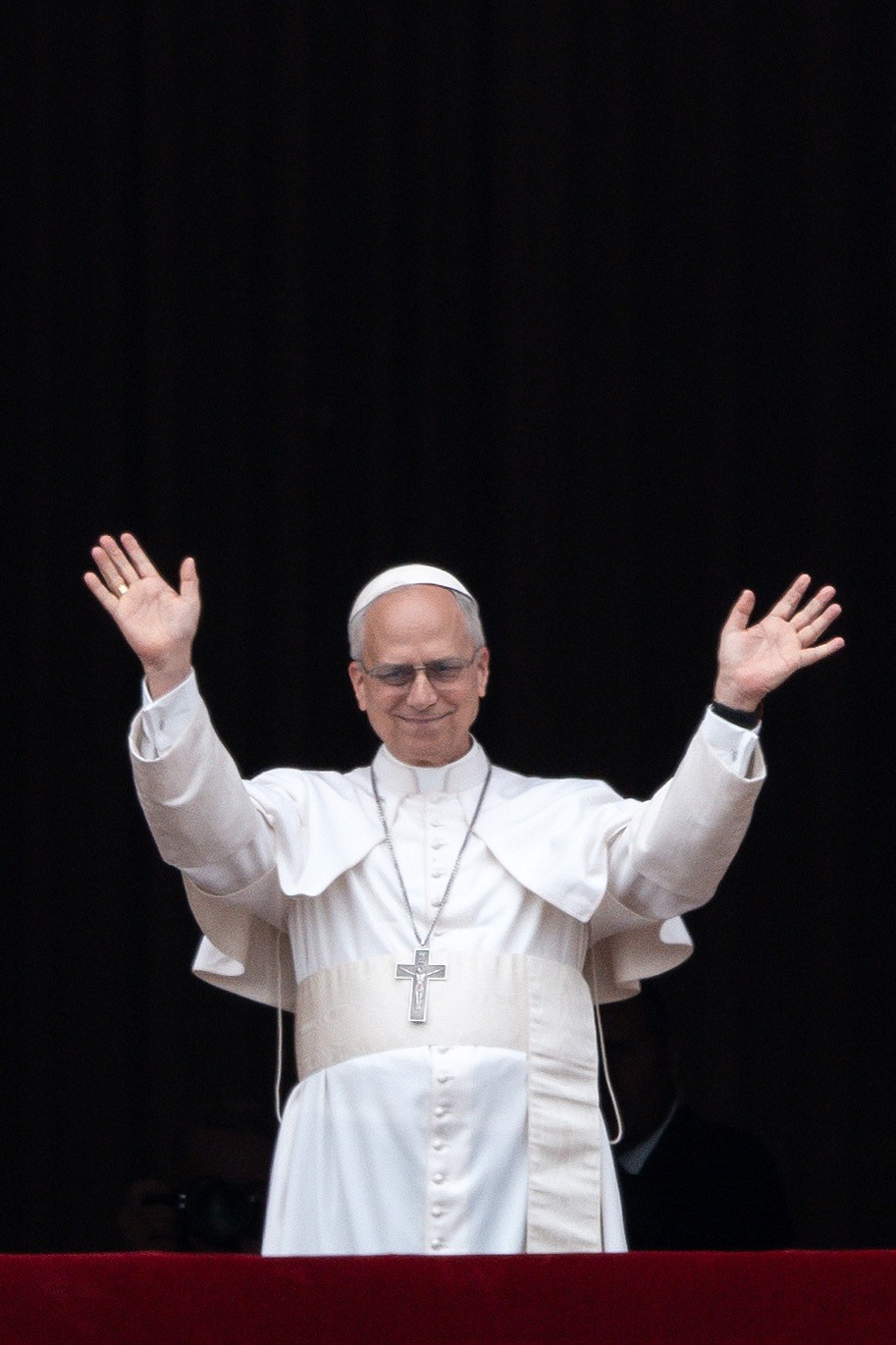
“Universal health coverage is not merely a technical goal to be achieved; it is primarily a moral imperative for societies that wish to call themselves just.” — Pope Leo XIV
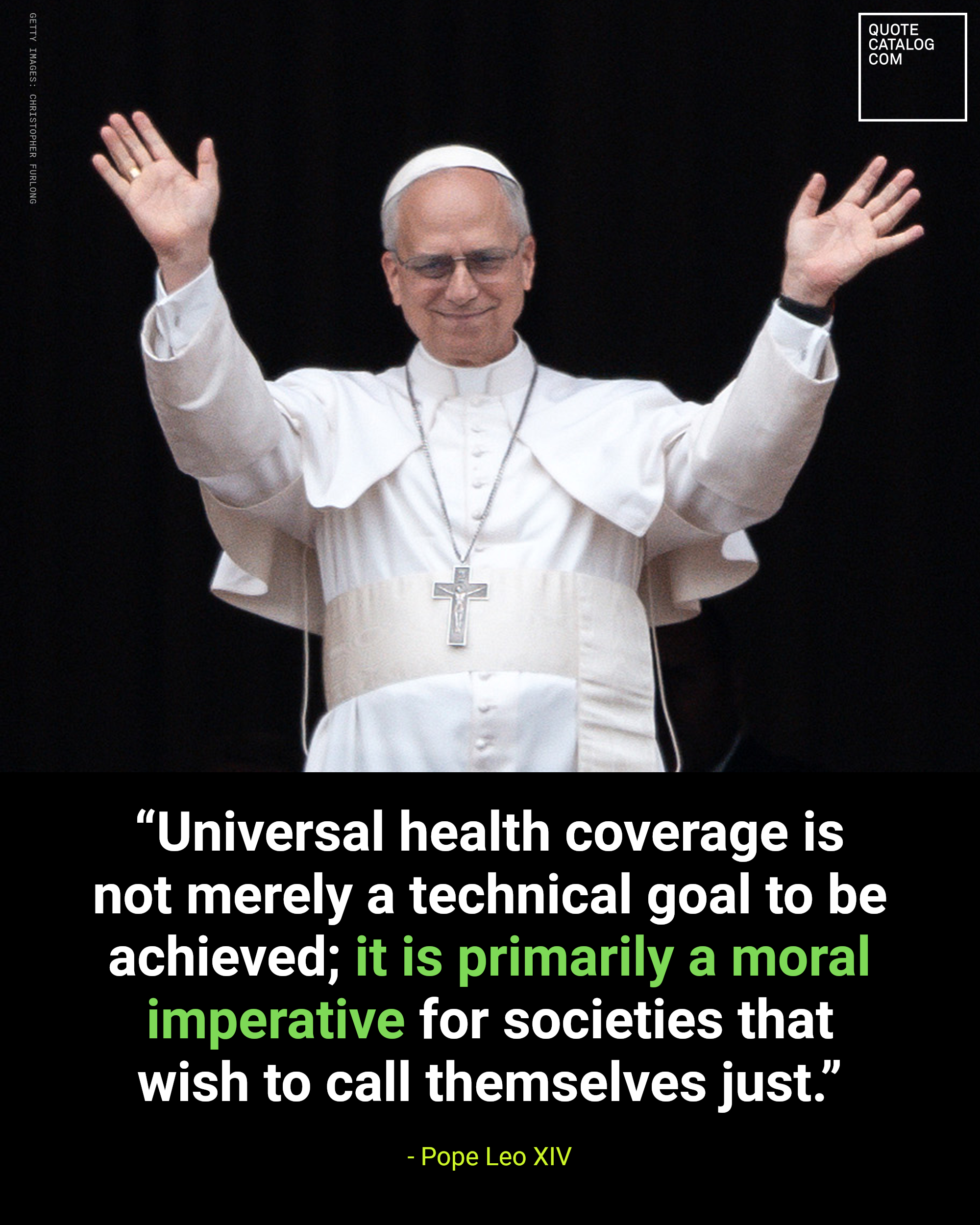
Growing gaps in access to medical care and mental-health support were the backdrop to Pope Leo XIV’s March 18, 2026, address to participants in a conference on health equity in Europe. The pope urged societies to ensure that vulnerable people can get care, warning that injustice can fuel conflict.
The conference brought together the Council of the Bishops’ Conferences of Europe, the World Health Organization’s European Region and the Italian Episcopal Conference. Leo invoked the Good Samaritan as he called for attention to people who are suffering, saying health “cannot be a luxury for the few.”
His appeal draws on Catholic teaching that connects access to care with human dignity, solidarity and responsibility toward the poor. The Catechism includes health care among the basic provisions society should help make available so people can flourish.
That position spans several papacies. John XXIII affirmed a right to security during sickness, Benedict XVI called access to adequate medical care an “inalienable right,” and Francis repeatedly urged countries to make care available to everyone. In their 1993 health-care reform framework, U.S. bishops said “every person has a right to adequate health care.”
Read against that history, those words land less as a policy position than as a moral teaching, the point Leo was making to the bishops and health leaders in the room: who gets care is a measure of whether a society can call itself just.