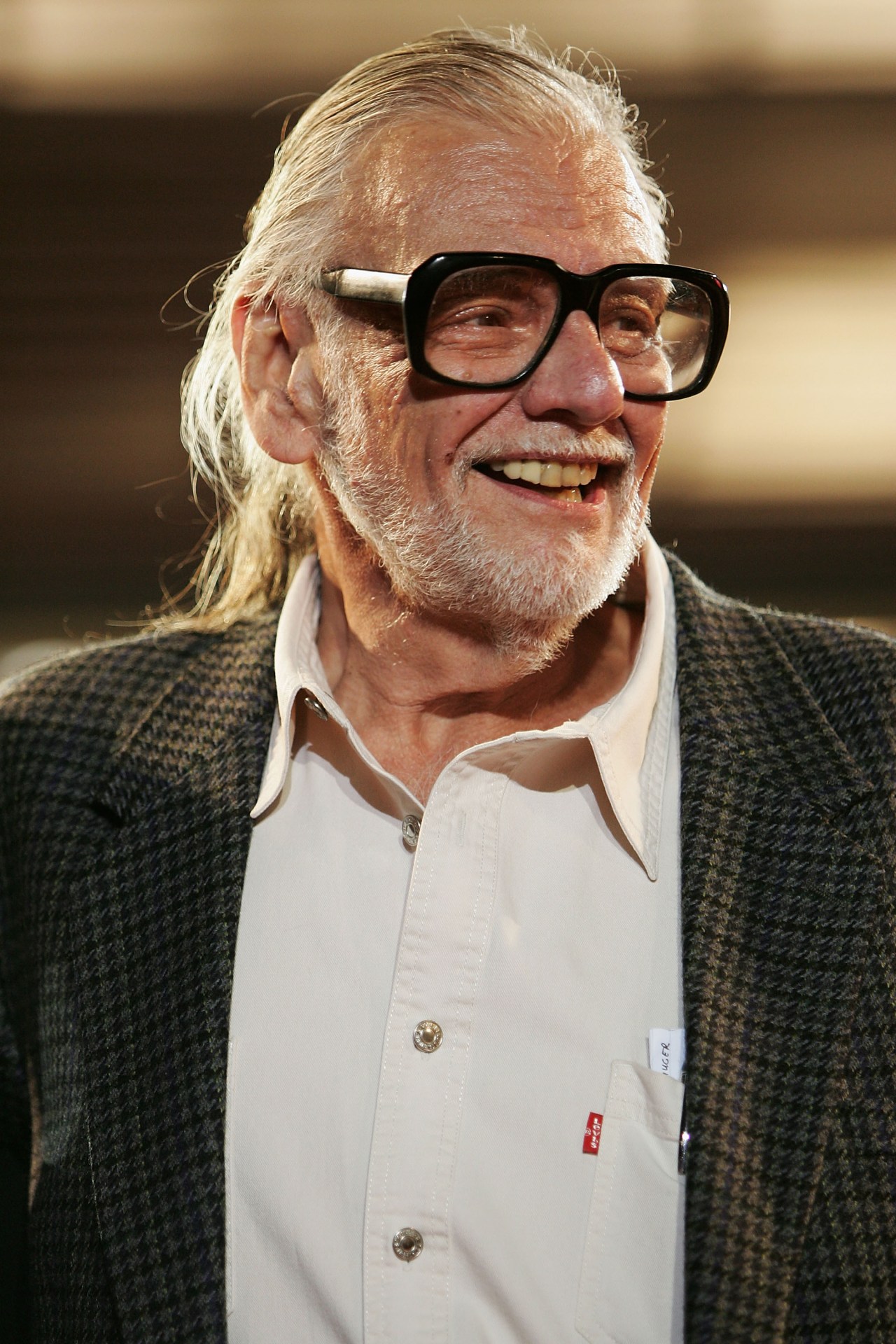
“I’ve always felt that the real horror is next door to us, that the scariest monsters are our neighbors.” — George A. Romero

George A. Romero made the people next door into movie monsters. In Night of the Living Dead (1968), which he co-wrote and directed, the dead returned as hungry versions of ordinary neighbors and relatives. The living brought their own dangers: prejudice, mistrust and violence that could tear a group apart while it tried to survive.
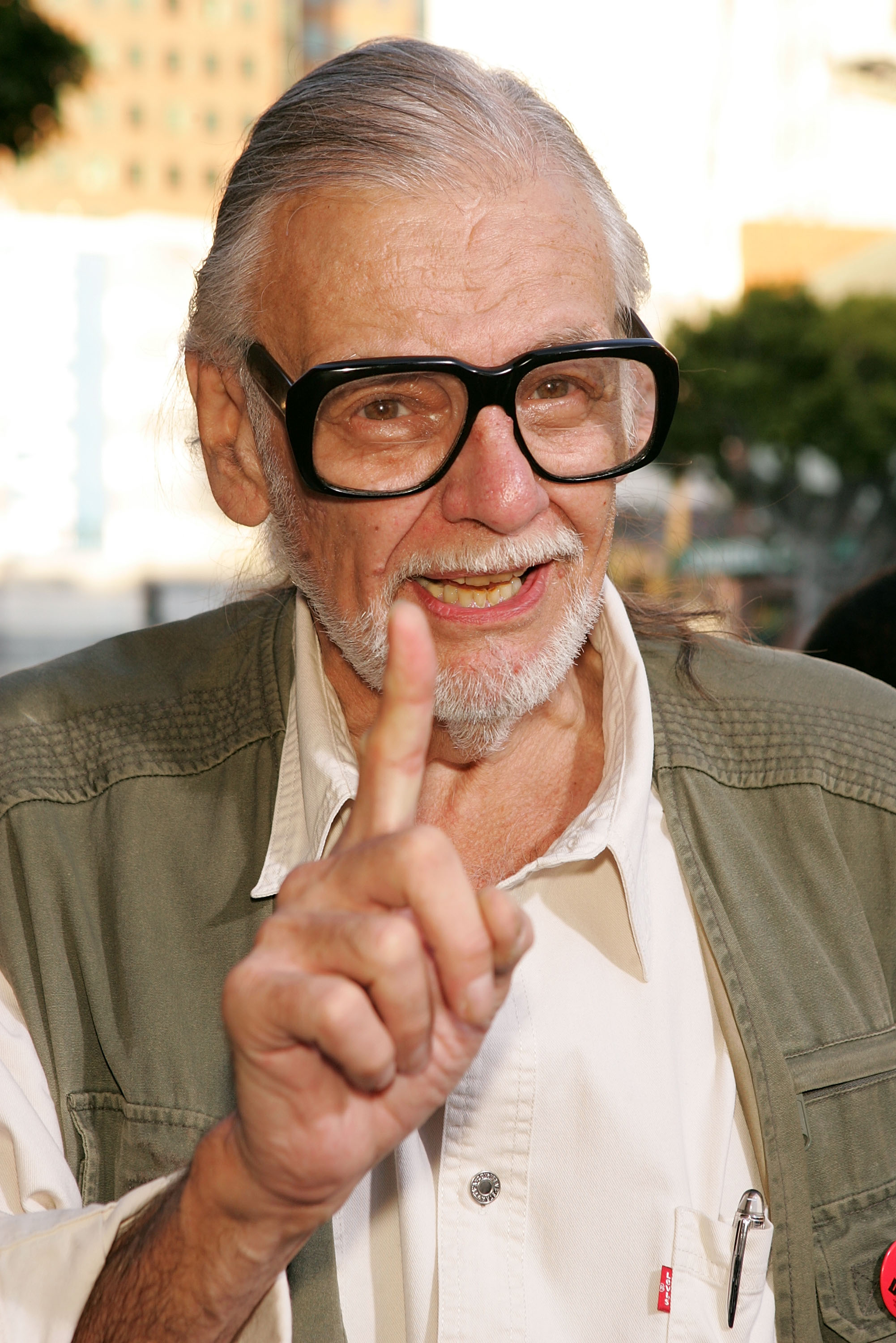
That focus on human behavior helped shape the modern zombie film. Romero described his stories as being “about humans and how they react, or fail to react.” Across his “Dead” films, the struggle to survive gave him room to examine consumerism, military authority and the breakdown of society.
The low-budget Night of the Living Dead became a cult classic, followed by films including Dawn of the Dead (1978) and Day of the Dead (1985). Romero made most of his films independently around Pittsburgh, using horror to explore what people do to each other under pressure.
That is the thinking behind the line at the top. For Romero, the threat was never only the thing clawing at the door. It was the people already inside the house, the ones you thought you knew, and what they turn into when everything falls apart.