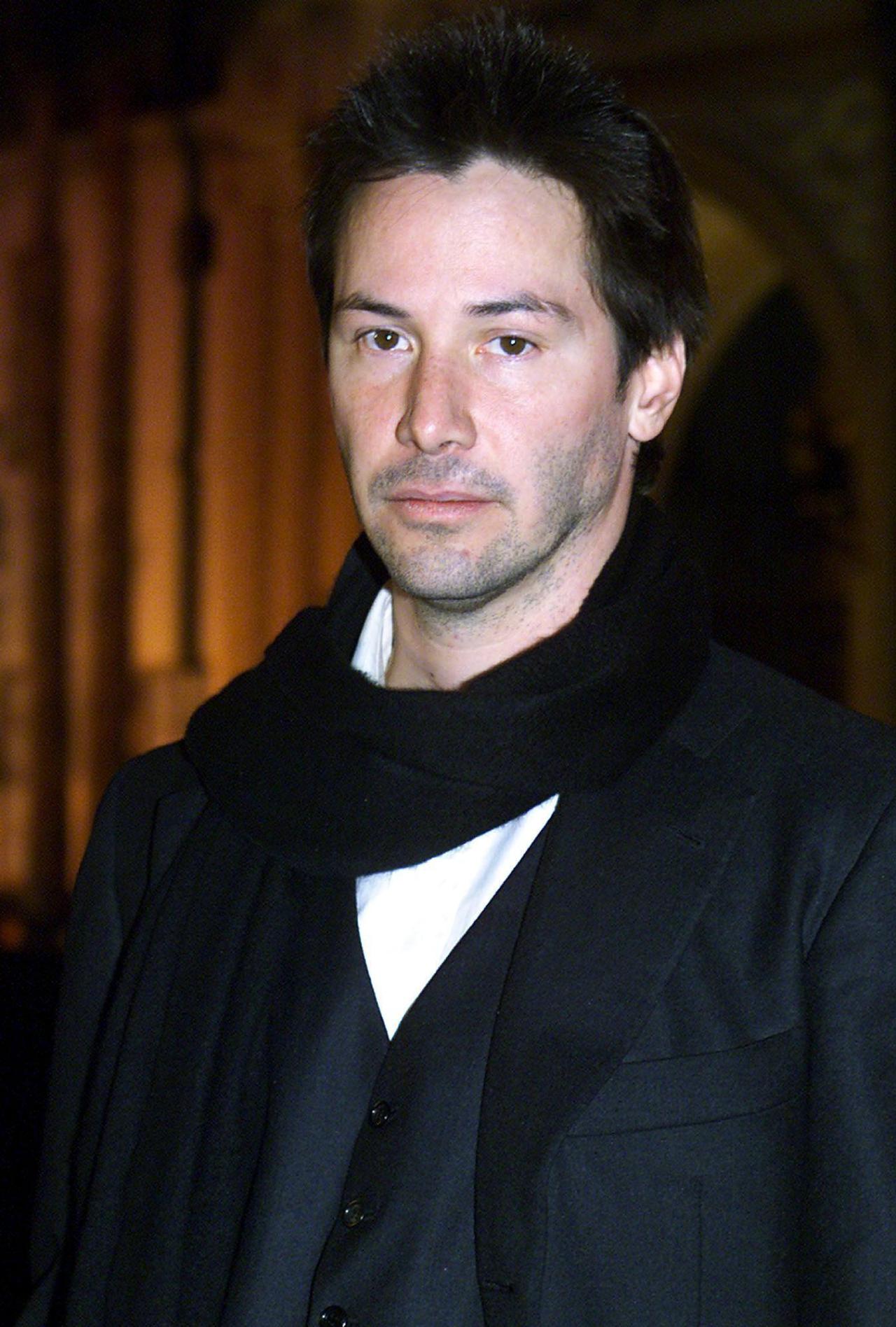
“Grief changes shape, but it never ends.” — Keanu Reeves
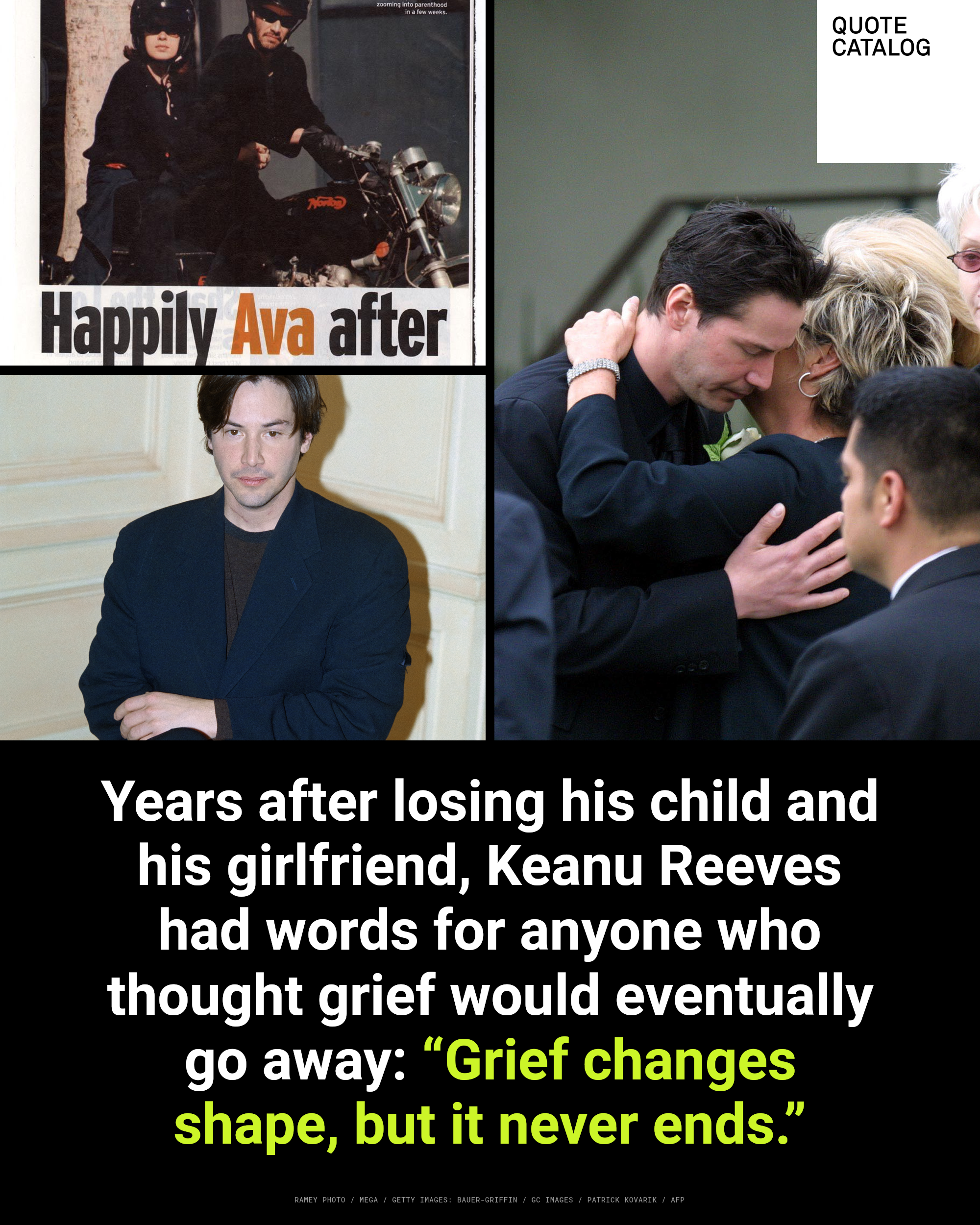
Reeves gave that answer to Dotson Rader in Los Angeles for a Parade profile published on June 11, 2006, under the title “I Don’t Want To Flee From Life.” He was 41, and the losses behind the words were close.
Reeves and Jennifer Syme had been expecting a daughter they’d named Ava Archer Syme-Reeves. She was stillborn on Christmas Eve 1999, about eight months into the pregnancy, and they buried her in January 2000. The couple separated within weeks but remained close.
On April 1, 2001, Reeves and Syme shared brunch in San Francisco. That night, she attended a party at Marilyn Manson’s house. Someone drove her home, but she later went out again in her Jeep Grand Cherokee.
Early on April 2, she crashed on Cahuenga Boulevard in Los Angeles, hitting parked cars and rolling the Jeep. She wasn’t wearing a seatbelt and was partially ejected. She died at the scene at 28.
After her death, Reeves called the Los Angeles County Coroner’s Office and asked, according to People, “if Jen Syme was there.” He later served as a pallbearer at her funeral alongside David Lynch and Dave Navarro. She was buried beside Ava at Westwood Village Memorial Park.
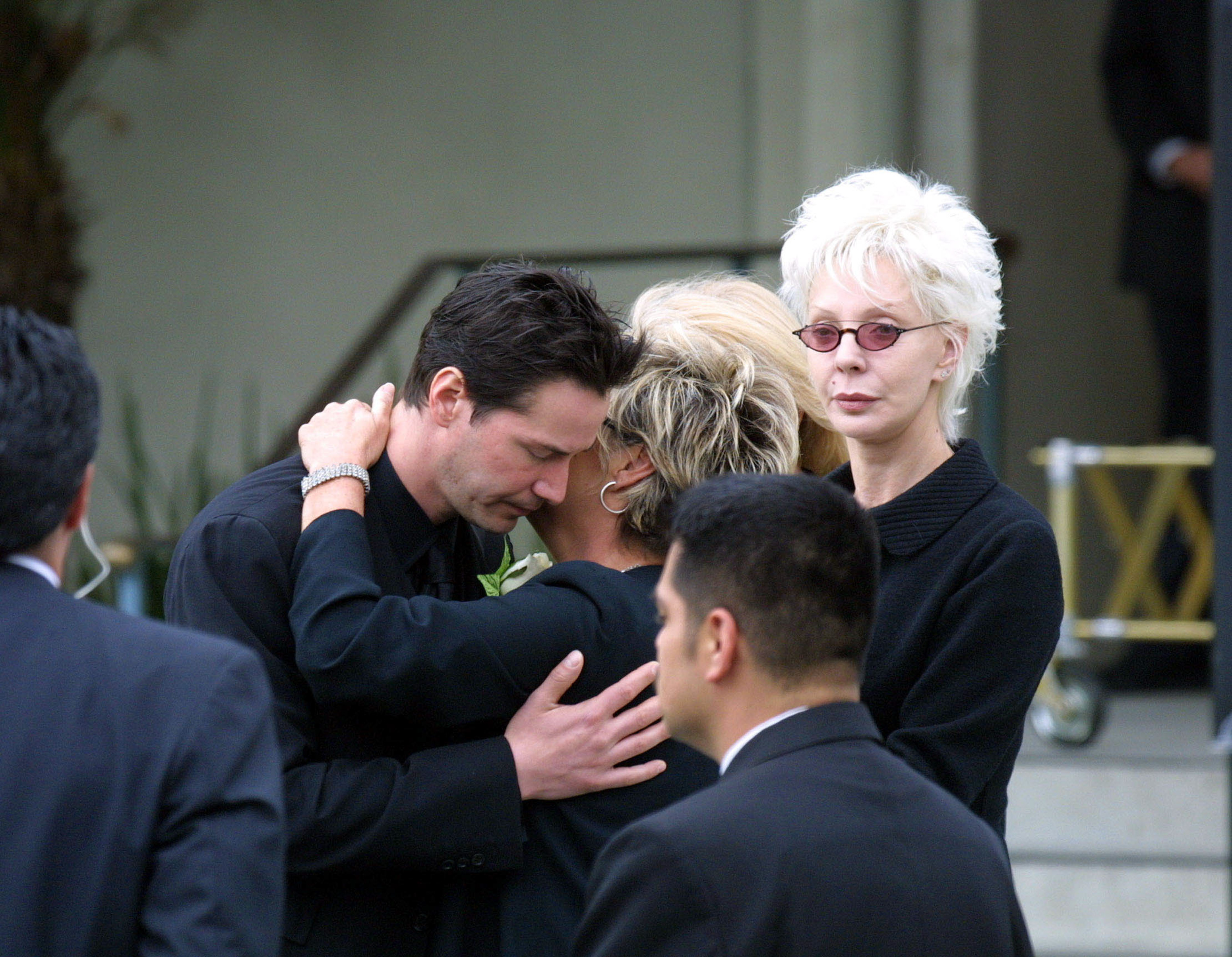
Syme had worked as an assistant to Lynch, who dedicated his 2001 film Mulholland Drive to her.
Her mother later sued Manson, alleging he’d supplied drugs and told Syme to drive while impaired. Manson denied responsibility. The suit was dismissed at her mother’s request.
The Parade profile reached past Syme and Ava. It also discussed his friend River Phoenix’s death from an overdose at 23 and his sister Kim’s fight with leukemia.
“People have a misconception that you can deal with it and say, ‘It’s gone, and I’m better.’ They’re wrong,” Reeves told Rader.
He spoke about missing the everyday connection to people he’d loved. “When the people you love are gone, you’re alone,” he said. “I miss being a part of their lives and them being part of mine.”
He also described wanting to keep living. “I think, after loss, life requires an act of reclaiming,” he said. “I’m at a turning point.”
Thirteen years later, Reeves returned to the same idea in an interview published by The Guardian on May 18, 2019: “Grief and loss, those are things that don’t ever go away. They stay with you.”
That’s why the line has stayed with people. It refuses the tidy ending that so many wish for, and it says plainly that love doesn’t stop when the person is gone.