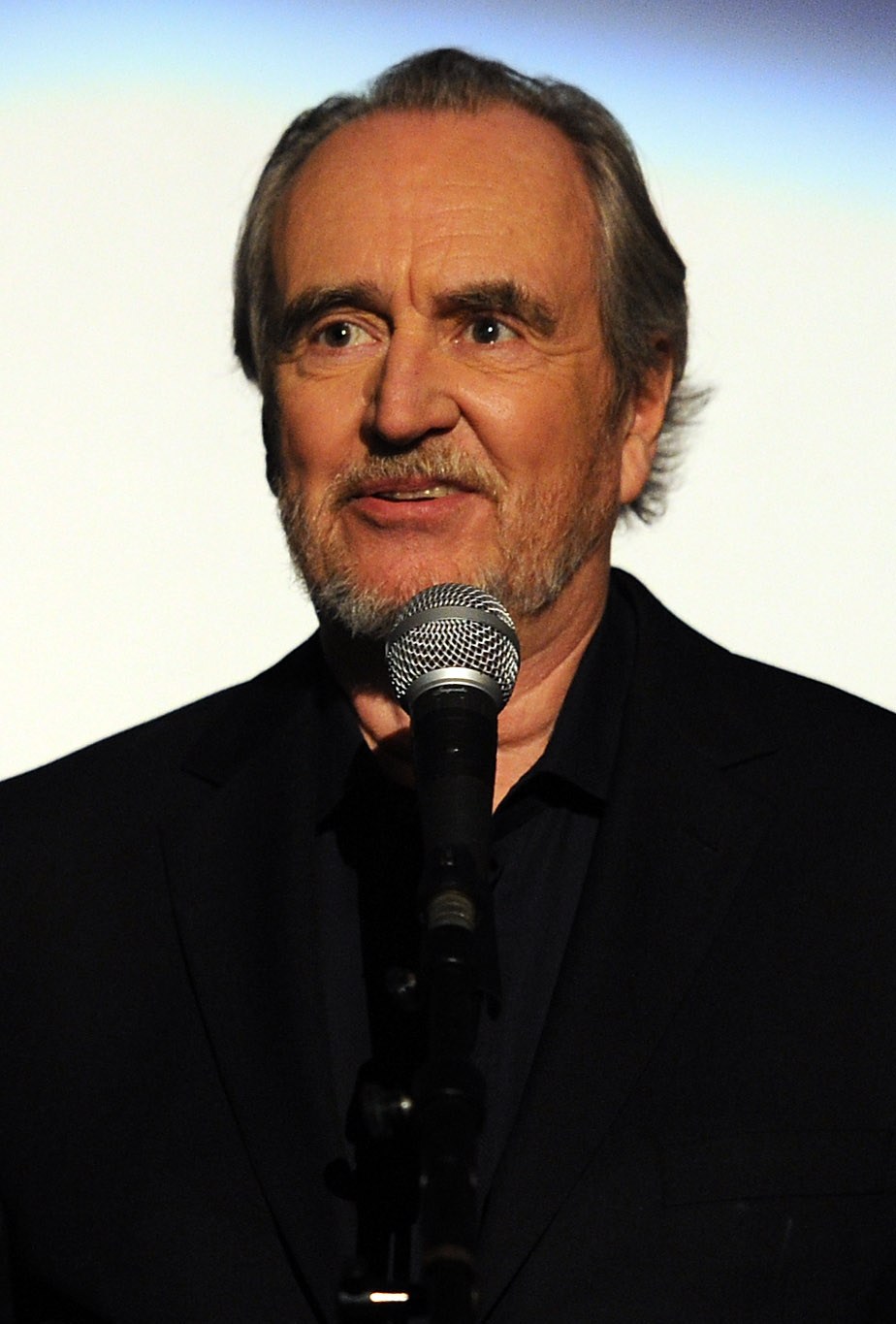
“Some people ask why people would go into a dark room to be scared. I say they are already scared, and they need to have that fear manipulated and massaged. I think of horror movies as the disturbed dreams of a society.” — Wes Craven
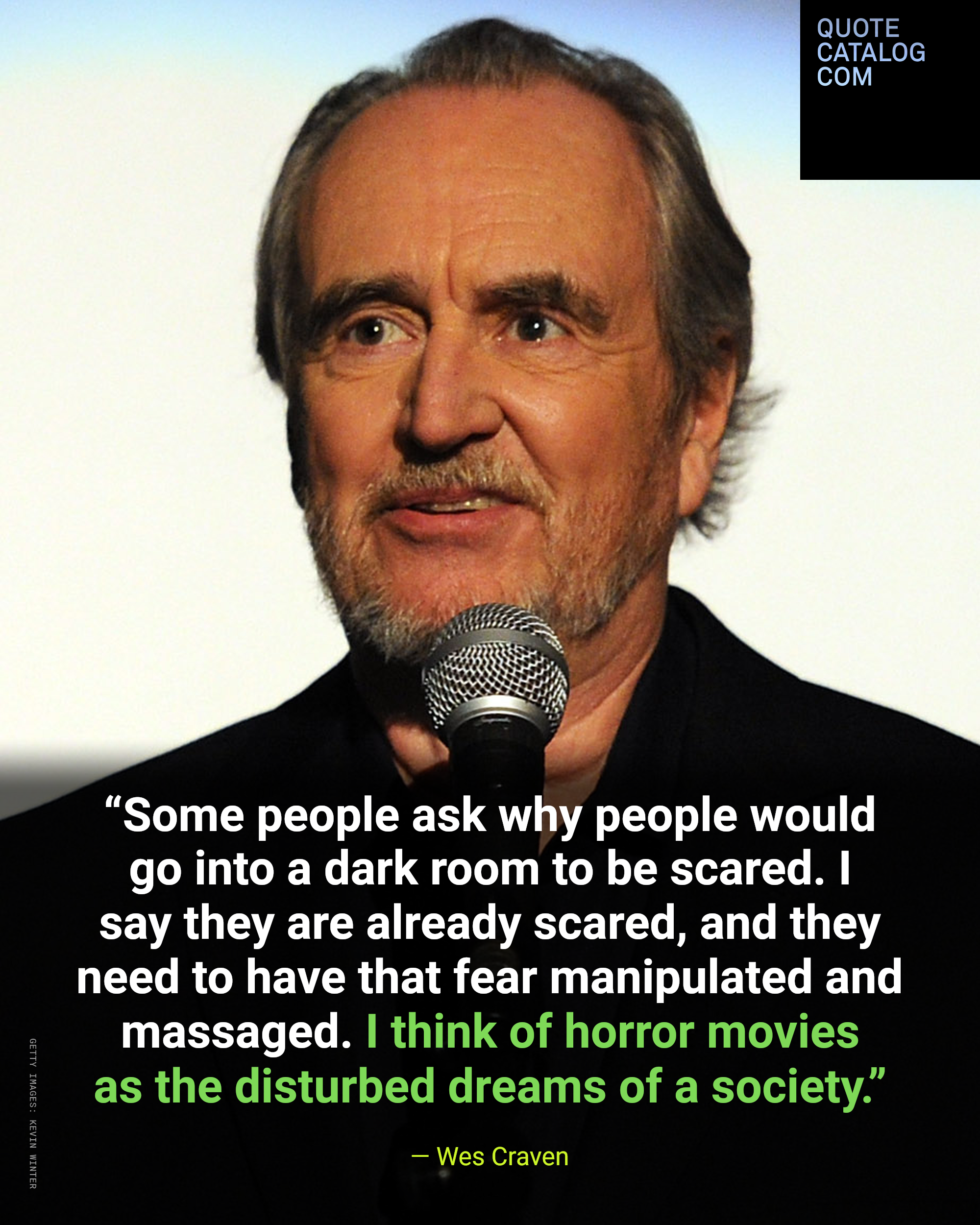
Craven came to horror from a childhood built on fear. Raised in a strict Baptist household in Cleveland, where he was largely kept from watching movies, he grew up associating childhood with the terrors of sin and hell. His father’s death gave him an early experience of loss.
Before he made films, Craven studied English and psychology at Wheaton College, earned a master’s in philosophy and writing at Johns Hopkins, and worked as a teacher. He walked into horror with almost no grounding in it. As he later put it, he “didn’t even know what a horror film was.”
Sean Cunningham helped point him toward it. Knowing Craven’s fundamentalist background, his collaborator urged him to write something frightening and “pull all the skeletons out of your closet.” The Last House on the Left, Craven’s first feature, arrived in 1972, followed by The Hills Have Eyes in 1977.
He described making horror as therapeutic, a way of handling the fears he’d carried since childhood. His films took familiar parts of life and turned them into a source of danger: sleep in A Nightmare on Elm Street (1984), and teenage life in Scream (1996). The man who created A Nightmare on Elm Street and directed the first 4 Scream films kept building his terrors out of ordinary things.
That’s the ground those words stand on. When someone asked him why anyone would pay to be scared, he answered from his own life, treating the fear as something people already carry and come to the theater to have worked on.
He kept returning to the genre through Scream 4 in 2011. He died of brain cancer on August 30, 2015, at 76.